Collaborators for Good: Youth Leaders in Beijing Build Networks to Envision a Better World
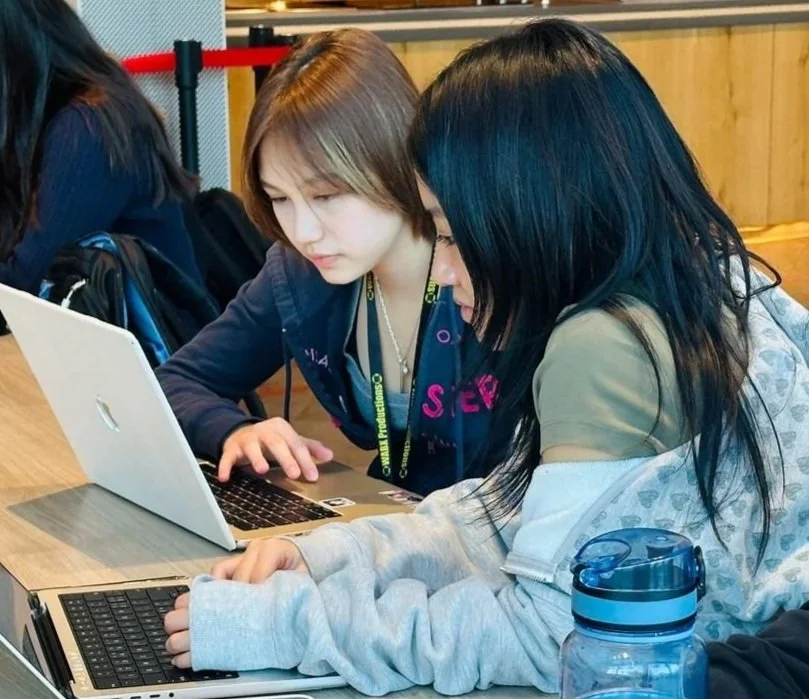
Emphasizing collaboration over competition, the concept of a regional event gives students the opportunity to develop connections based on global issues with their peers.
Students of international schools in Beijing may gather somewhat frequently, but usually it's on the playing field of one sport or another.
"Our schools see each other a lot, often for sporting competitions," says Kathlyn Paananen, Diversity, Equity, and Inclusion Leader at International School of Beijing. "Rarely are we connecting around advocacy and coalition-building together around global issues that inspire students."
That observation sparked a collaboration between ISB and Western Academy of Beijing that has since rippled across the region's international school community.
Starting Small, Thinking Big
The partnership began modestly. Angie Monaghan Crouch, Global Citizenship Coordinator at WAB, and Paola Alonso, Sustainability Manager at ISB and Kathlyn, met to share their programs and ideas for students, particularly around the CIS accreditation pathway on socially responsible leadership. recognized the power of bringing students together in person.
"Just taking kids to other conferences and summits we noticed how powerful it is to get kids together in the room," Angie reflects. “When they work on issues of common interest they really enjoy that opportunity."
Seeing a valuable opening in which to develop these connections, Paola, Kathlyn and Angie invited Aaron Moniz of Inspire Citizens to facilitate a one-day summit with students from both schools. And the resoundingly positive outcome convinced them to think bigger. The conference in year two expanded to include Dulwich, Keystone, Daystar, and Beijing Academy, with local experts delivering keynotes and workshops on important topics ranging from conservation and belonging. Learning experiences included social and ethical team challenges presented by cultural anthropologist Dr. Temily Tianmay Tavangar as well as a real-world sustainability collaboration simulation facilitated by field expert Ms. Lan Zheng plus an action-oriented sensitization workshop led by wildlife conservationist Terry Townshend.
The connective power of the summit was further proof that students are eager for networking opportunities that endure. "These powerful connections have the potential to shape these students into future leaders, encouraging with networking, collaboration and problem solving skills in a globalized world," Paola explains.
She illustrates her point by recalling the summit interactions between three eighth-grade students from Dulwich College Beijing, Keystone Academy and ISB. During discussions about the Sustainable Development Goals (SDGs), they shared how challenging it can be to implement solutions in real life due to the fast-paced nature of school. This opportunity allowed them to realize they were not alone in their struggles and inspired them to collaborate on a project that would address local issues related to the SDGs. Eager to maintain this connection, they even approached their supervisors for support, discussing the prospect of showcasing their ideas at an upcoming event in Beijing.
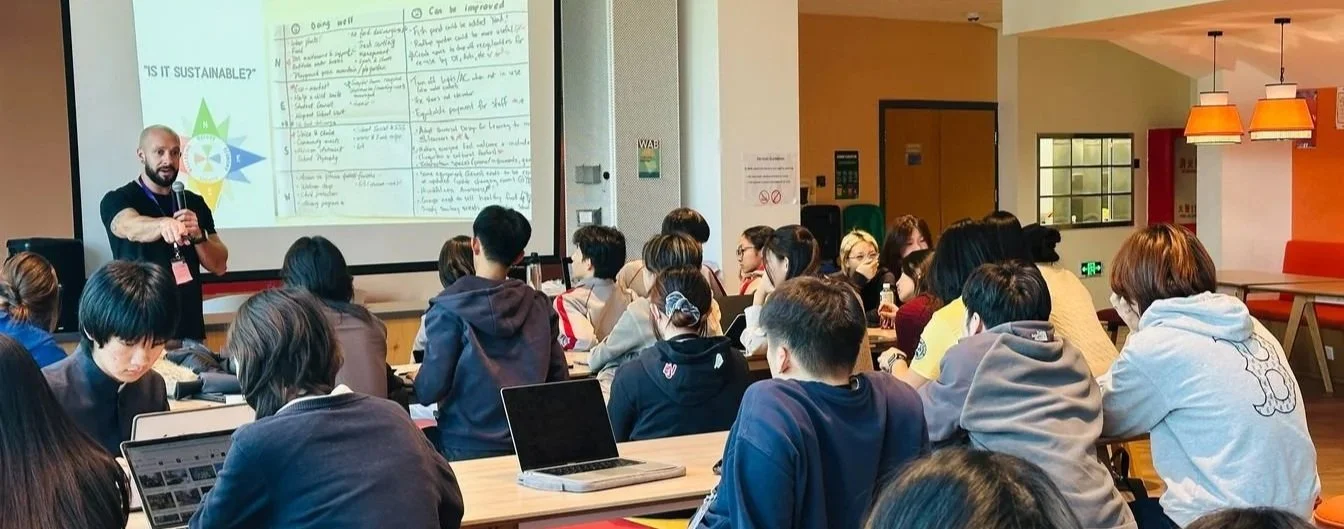
Inspire Citizens co-founder Aaron Moniz, invited to be an onsite facilitator, helped students develop competence with universally useful frameworks such as the root cause analysis tree.
Tools That Travel
In his direct involvement in the summit, Aaron introduced frameworks that students carried back to their own communities. His root cause analysis tree became a mainstay at ISB, where students used it to examine belonging on campus. They then designed and delivered professional development for fifty middle and high school teachers exploring bias, social media's influence on relationships, and where student and teacher perspectives intersect.
"So many of the tools that Aaron introduces, I continue to operationalize and connect the kids with," Angie says. The empathetic interviewing techniques and questioning frameworks now shape how WAB onboards new student leaders each semester.
Kathlyn notes that Aaron's global perspective adds something teachers cannot easily replicate. "He comes with so many frameworks, he can apply it and tailor it to what we're asking. He also has the expertise of going around the world talking to students who want to be better advocates and leaders." His stories of peer advocates help students see possibilities they might otherwise miss.
From Ally to Advocate
The summit's deeper purpose extends beyond skills and frameworks. Kathlyn and her colleague Paola Alonso Trejo, who leads sustainability work at ISB, have named their initiative "People, Planet, Purpose" because they designed these experiences to foster connection to self, others, and the environment.
"Now instead of seeing a competitor, they're seeing a fellow ally in others,” Kathlyn observes. Angie points to the sensitivity required: "There's a vulnerability that kids have to demonstrate to say ‘I really care about this thing, so much so that I'm coming on a Saturday, and to tell strangers that this is something that's important to me.’”
Advice for Others
The collaboration has generated unexpected spinoffs. ISB students are now planning their own ICON Summit for March, which is student-run and offered free to smaller schools. Plus, adult collaborators from participating schools meet regularly to share lessons learned.
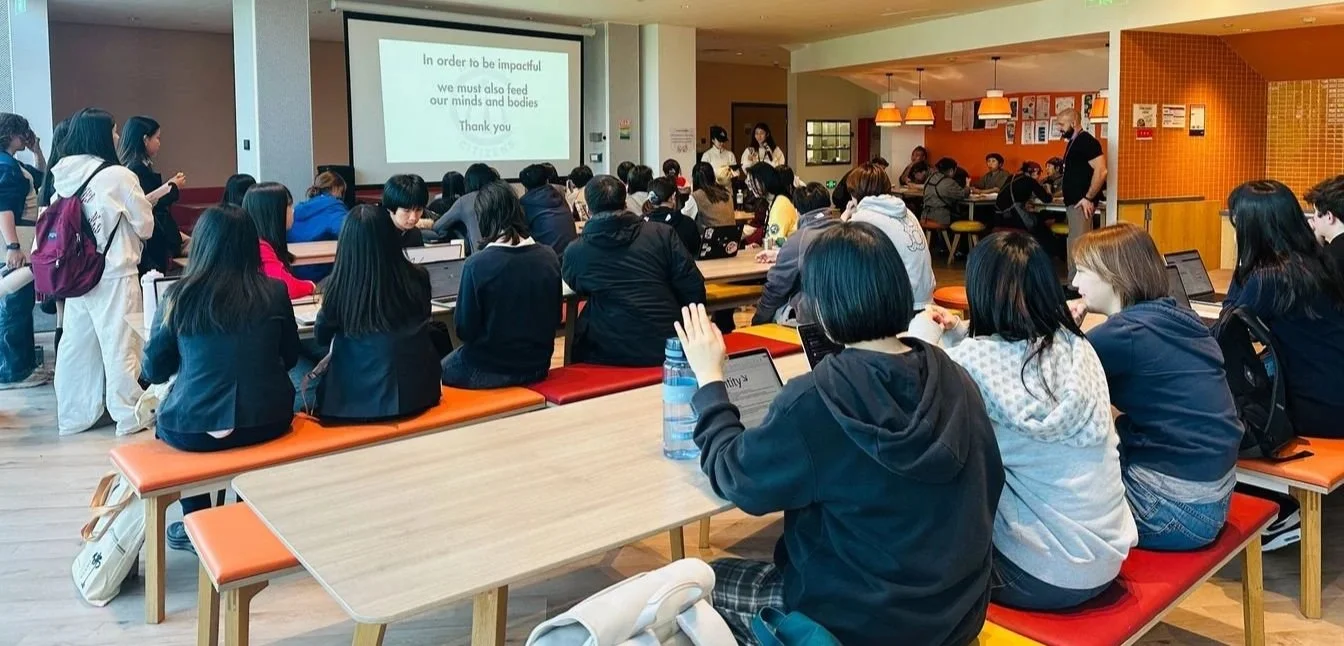
Summit participants, according to Kathlyn Paananen, Diversity, Equity, and Inclusion Leader at International School of Beijing, are seeing students from other schools as allies in pursuit of common goals.
For schools considering similar work, Angie offers practical counsel: "You don't have to host a big conference and bring in an international consultant,” she insists. “Just reaching out or creating a little network of job-alike people in the area, just to be aware of what each other is doing and even just connecting small groups of kids. There's a lot of power in that."
Kathlyn adds that the goal is building a mindset, not just running events. “’What am I missing because of my singular viewpoint?’” is the question Kathlyn is hoping students adopt as part of their mental operating software. “When they're interacting with anybody, we hope they think about their struggles, their individual and societal identities, and how all of that plays a role. If they can accomplish this with an equity mindset, then whatever they do will be in greater service."