Building a Student Leadership Conference That Lasts: Lessons from Morocco
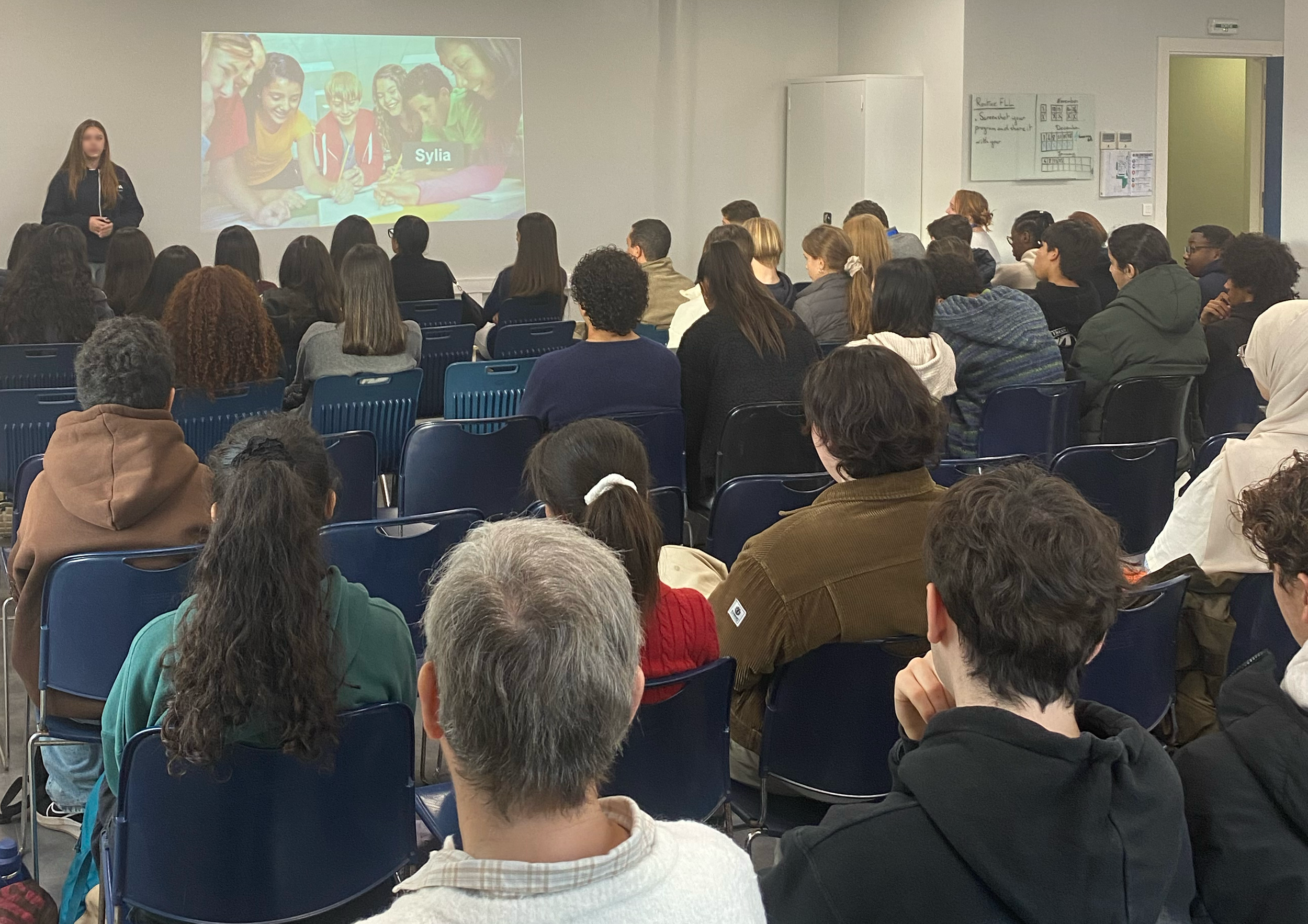
The Morocco Student Leadership Conference brought together students from George Washington Academy (host), American School of Tangier, Casablanca American School, Dar Essalam American School, American School of Benguérir, Rabat American School, and École Montessori de Casablanca.
When fifty student leaders from seven international schools gathered in Casablanca this January, they arrived with ideas. They left with action plans, new collaborators, and something harder to measure: the conviction that their voices matter.
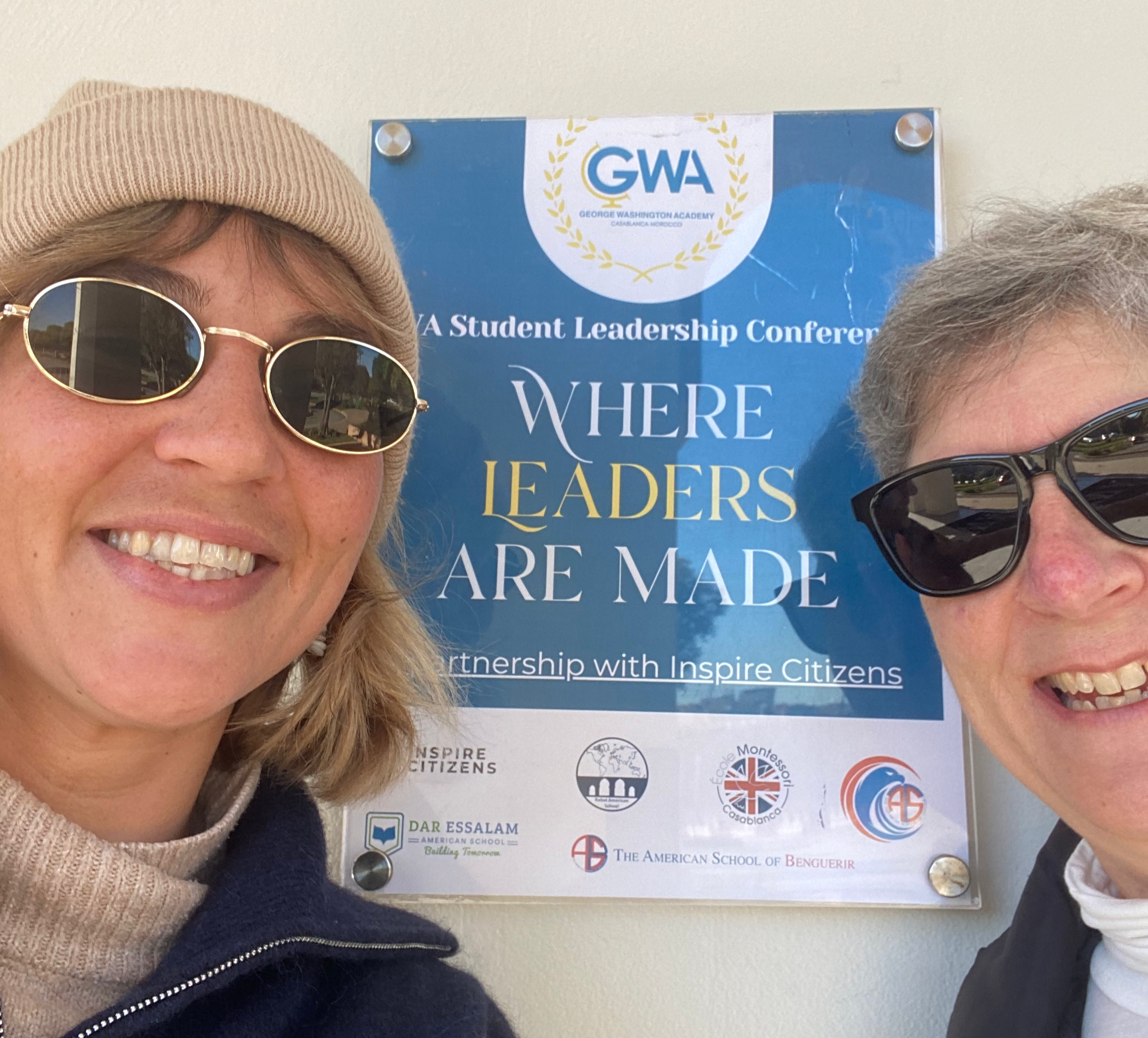
The Morocco Student Leadership Conference, hosted by George Washington Academy and facilitated by Inspire Citizens team members Sophie Peccaud and Aimee Meditz, brought together young people from across the country for two intensive days of skill-building, community connection, and project design. But what made this gathering remarkable was not simply the programming. It was the deliberate weaving together of global frameworks with distinctly Moroccan perspectives.
Start with Local Voices
Sophie and Aimee approached this conference with a clear philosophy. "We're always saying global mindsets, but local impacts," Sophie explains. "We want students to understand global issues, but then really take action with their neighbors, with their local community, at their school."
This meant partnering with Moroccan speakers who could demonstrate that leadership and innovation do not require looking beyond one's own borders. Asmaa Kabbaj of Starbound Education, Chaimaa Elfarji from Corps Africa, and leadership coach Oumaima Louhamane each brought stories of impact rooted in local context.
"Countries like Morocco that have a history of being colonized often have that view of the other as being better," Aimee reflects. "These speakers brought to light the fact that you don't have to look elsewhere outside of Morocco to find super inspiring and impactful individuals."
Design an Arc from Vision to Action
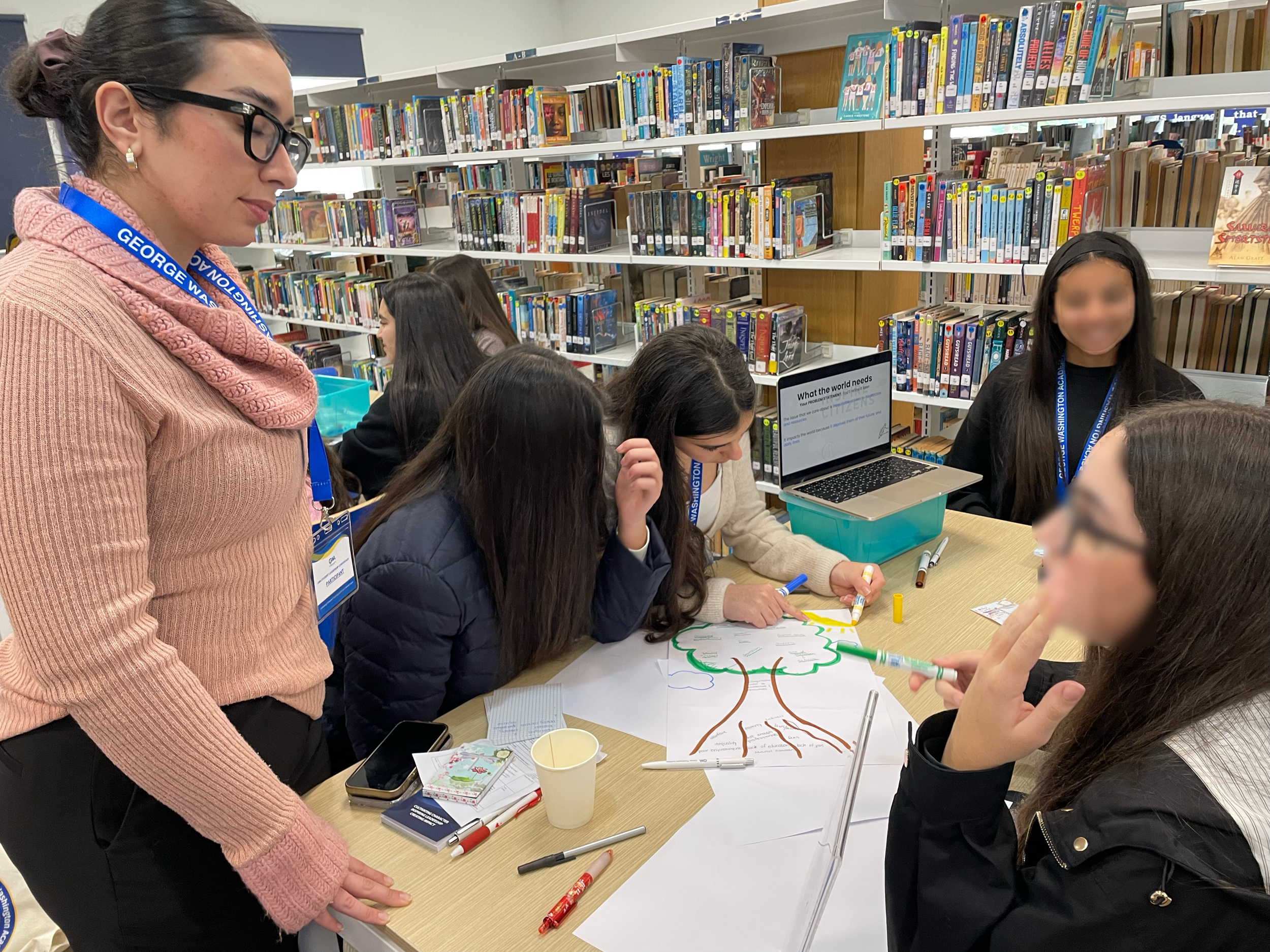
The conference moved students through a carefully designed progression. Day one focused on visioning and skills: identifying strengths, setting goals, and defining the "why" behind their leadership. Workshops on collaboration, communication, and systems thinking gave participants practical tools to carry forward.
Day two shifted toward action. Students brainstormed initiatives addressing local needs, developed project plans, and pitched their ideas to peers for feedback. The pitch session, while challenging, became a highlight. "Public speaking really matters," Sophie notes. "Some of them were really stressed and wanted to do the perfect pitch."
One powerful moment emerged when a host school student, asked at short notice to share an ongoing project, froze mid-presentation. Rather than a failure, this became a teaching moment. Oumaima, the keynote speaker who had just shared her own early struggles with public speaking, met him in the hallway during the break. "She just talked to him and said, ‘I really like this project.’ He said, ‘I do too.’ And she said, ‘well, then tell me about it,’" Aimee recalls. Freed from self-consciousness, the student rediscovered his passion for the work.
"By the time the students were doing the pitches, they were totally confident," Aimee adds. "The magic wasn't all in the big events. It was what happened throughout the journey over the two days."
Pair Facilitation with Coaching
Sophie and Aimee's collaboration modeled the kind of partnership they hoped students would develop. Sophie brought energy and facilitation expertise; Aimee contributed years of coaching experience and deep knowledge of Morocco, where she has lived much of her life.
"I think it was a beautiful balance between facilitation and coaching, which is not always easy to reach," Sophie reflects. "Sometimes when I had to present and give guidelines and share new tools, Aimee was always there to go through each table and check in with the students, encourage them to share more, encourage them to work more on their projects."
The speakers noticed this approach. "You're clearly doing this with them and not for them," Oumaima observed. "I really appreciated seeing how much you push the students to deeply reflect and how you challenge their thoughts and ideas."
Listen for What Students Value
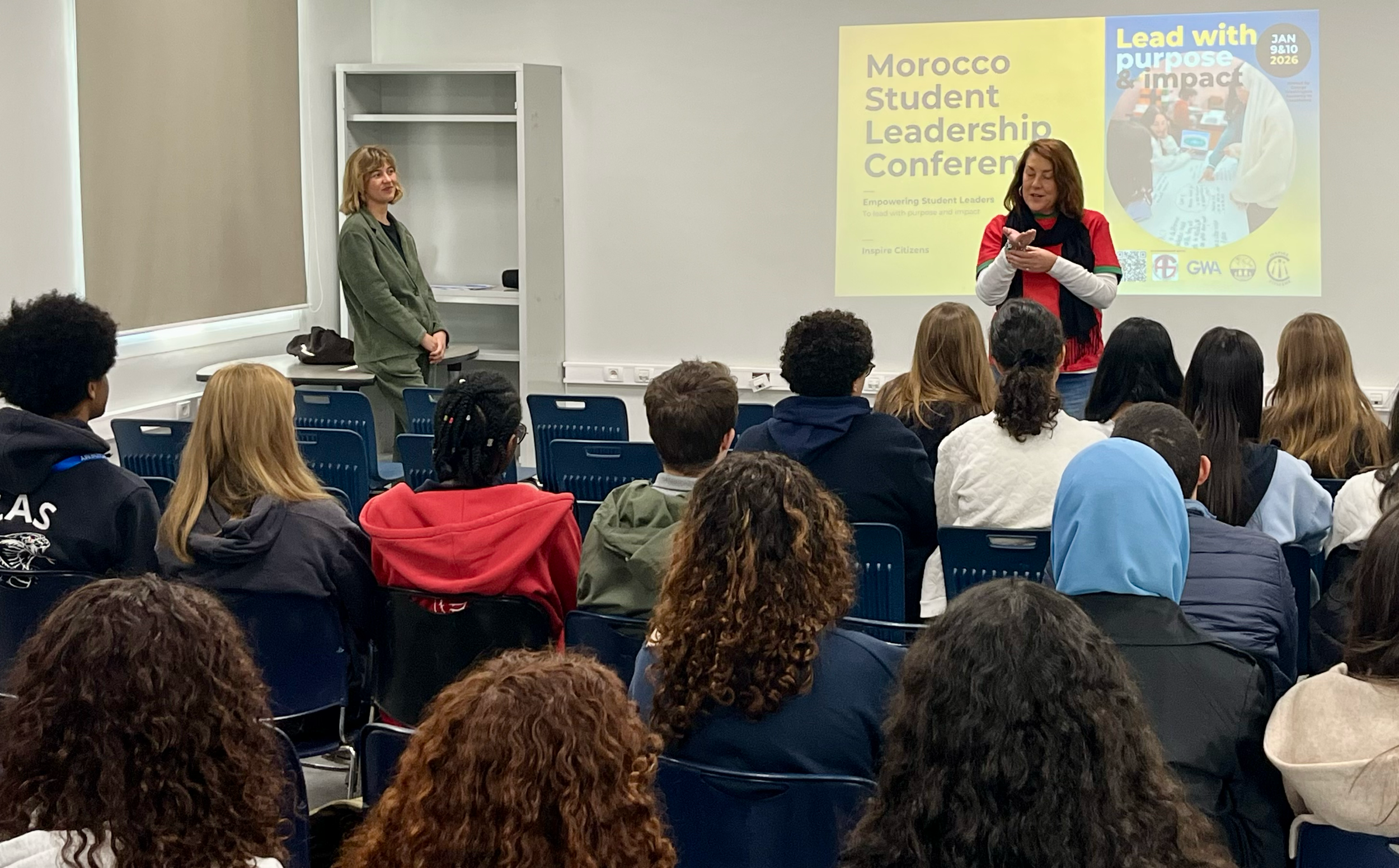
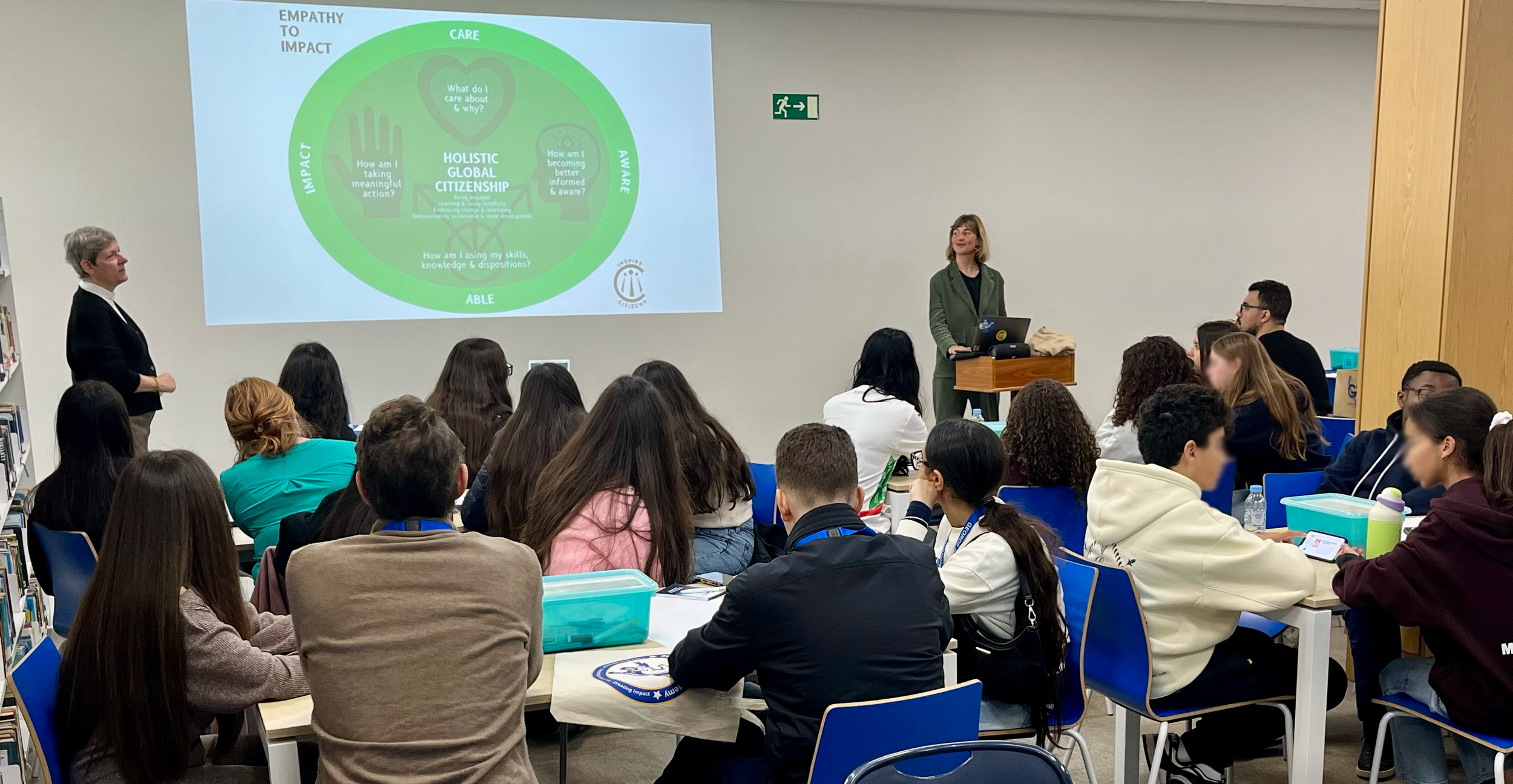
In feedback collected immediately after the conference, students pointed to connection and presentation skills as their most valued takeaways. "I'm grateful for the opportunity because it opened my eyes to new possibilities and actions," wrote one George Washington Academy student. Another from Casablanca American School noted that "learning through interviewing and connecting with people" would shape their work going forward.
Several students highlighted the relational aspect of leadership. "The importance of being a global citizen and the different ways we can help people," one reflected, "are we doing things for them or with them?"
Asmaa Kabbaj of Starbound Education was struck by the students' drive. "Seeing how much they want to build, create, innovate and solve gives me even more drive to develop Starbound into something that can share opportunities for leadership and innovation for teens around the world."
Plan for Handoff from the Start
For Sophie and Aimee, the conference itself was only a starting point. "The most important thing for us is not the actual conference," Aimee emphasizes. "What's really important is what follows. What are the students going to do with their new skills and the project plans they've put in place?"
The three-year vision reflects Inspire Citizens' philosophy of building capacity rather than dependency. Year one, completed now, brought students together for facilitated learning. Year two will see the American School of Tangier host, with students taking on organizational roles using skills they develop through the the Inspire Citizens micro-credential program. By year three, at Rabat American School, the conference will be entirely student-led.
"We're not a company that wants to keep all the partnerships depending on us," Sophie explains. "We want to empower schools so that they can run those things on their own."
Teachers have already reached out to report that students are implementing their leadership project ideas. Next year's conference will expand to include schools from the broader region. And the team of Tangier students who want to help organize it? They are already raising their hands as organizers have begun the collaborative planning.
"This is not a final event," Sophie says. "This is the starting point."