Real-world Ready: How Schools Are Powering Up Student Leadership with Inspire Citizens' Micro-Credentials
Imagine if the next generation of changemakers earned their skills the way gamers earn power-ups. They tackle challenges, test strategies, and collect the experience points that show they’ve truly leveled up. That’s the spirit behind Inspire Citizens’ new micro-credential program, a vibrant new framework designed to help students develop authentic leadership skills through meaningful, applied learning.
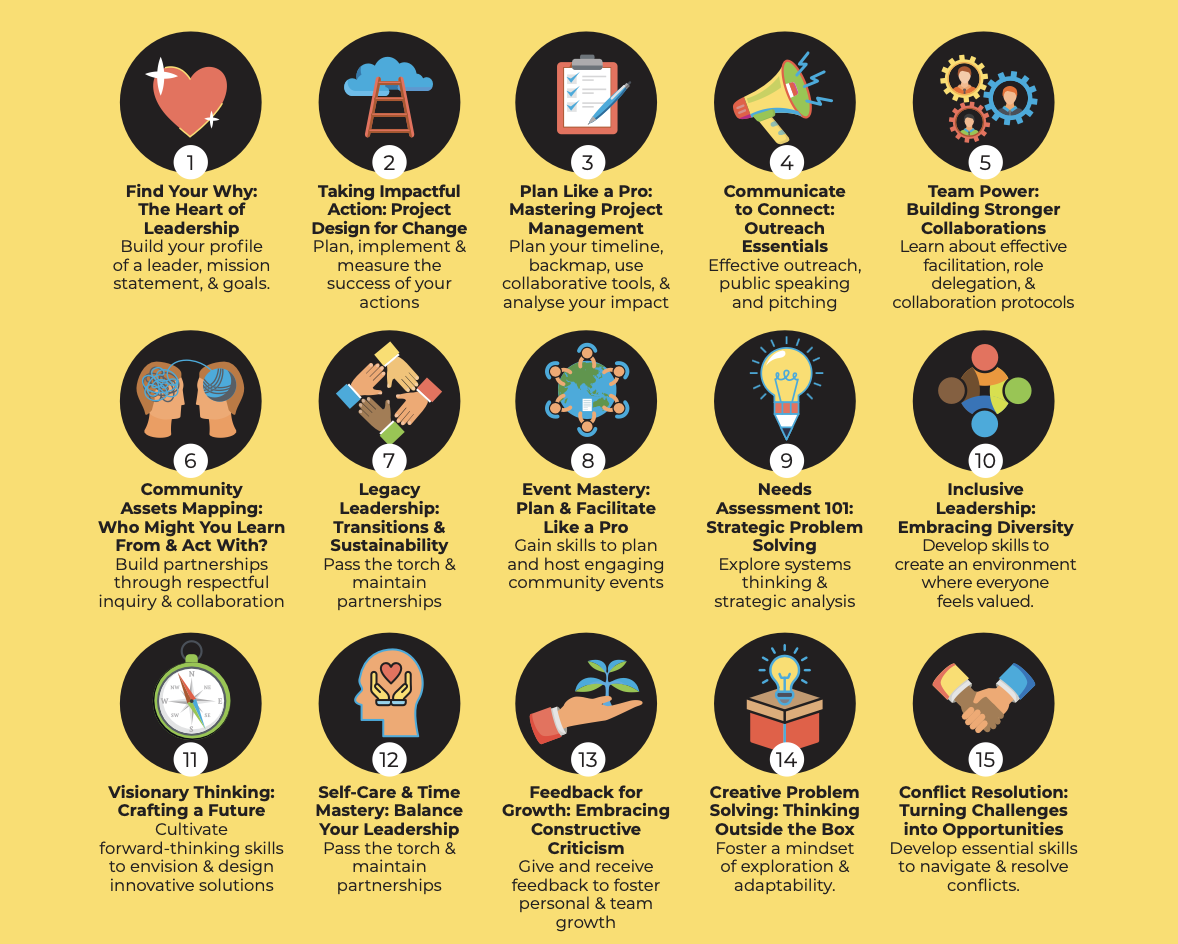
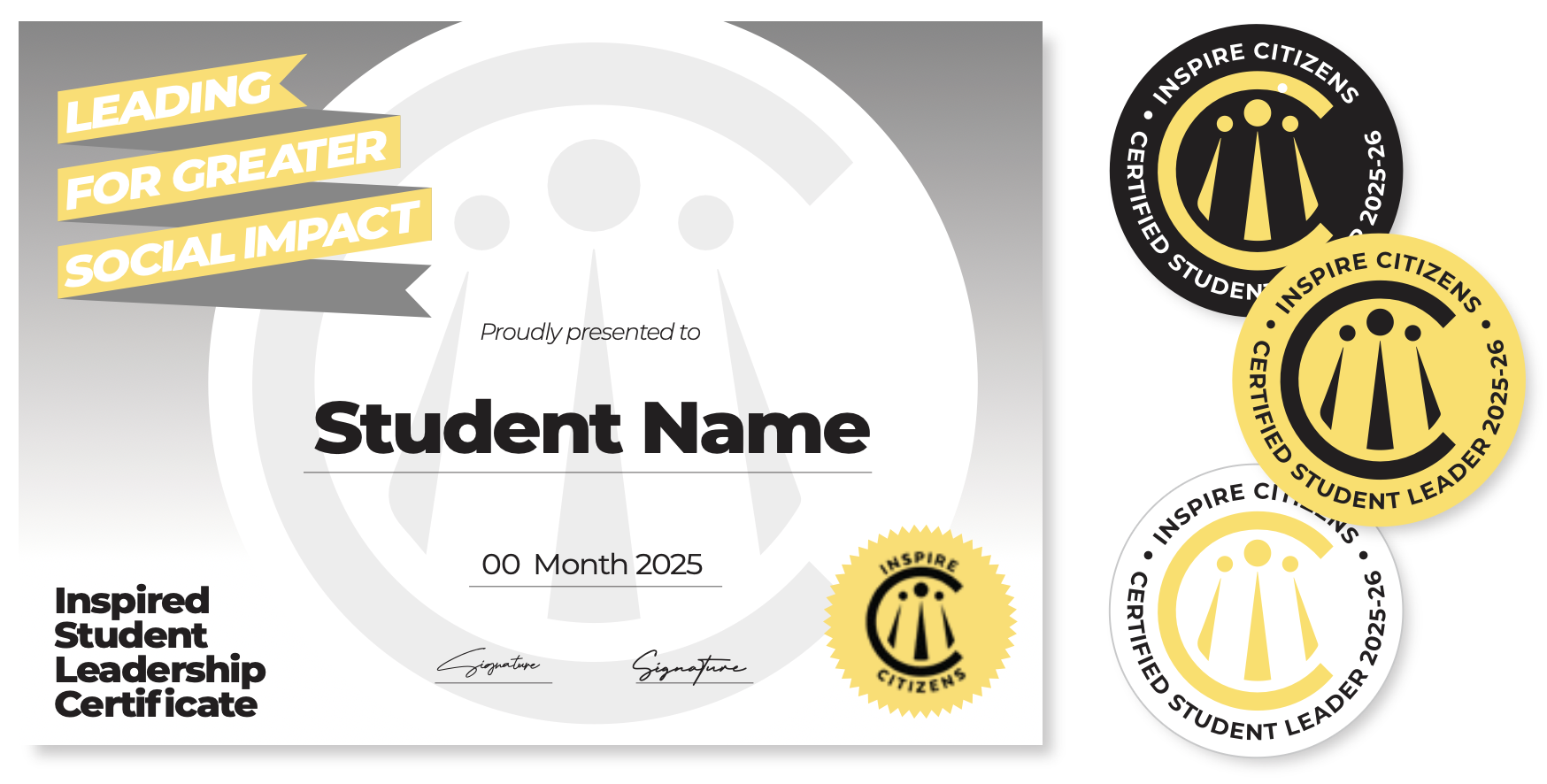
The fun and approachable badges that form the core of the micro-credentials program are also customizable to specific goals that are expressed by participating schools.
“Every school has student-led programs,” explains Inspire Citizens’ co-founder Aaron Moniz, “but there is a critical need for programming that empowers student leaders to lead successfully.”
Into this void comes the innovative approach that is embodied by Inspire Citizens micro-credentials.
When partnership specialist Sophie Peccaud talks about the initiative, her enthusiasm is next-level. “It’s a way for students to understand key leadership skills they might need to apply in order to build their leadership projects,” she explains. The program consists of 15 badges organized into three certificates, each representing a vital aspect of global citizenship and student agency.
Built on eight years of Inspire Citizens' experience in student leadership and service learning, the micro-credential program distills a wealth of practice into a framework both structured and flexible. "Every school is different," Sophie emphasizes. "We constantly adapt. What we did was gather all of the work, tools, and resources into those 15 essential badges. Then students choose which skills they want to focus on for their projects."
Just like a gamer choosing the next skill tree to develop, students take ownership of their path. Through reflective opening sessions that explore what makes a great leader (and what doesn’t) they identify their own learning priorities. "They’re really the ones choosing which skill they want to focus on," Sophie says. That personalization is complemented by scaffolded progression: level one through level three certificates that support both students and teachers as learners and facilitators.
From Concept to Classroom
Inspire Citizens co-director Scott Jamieson sees the micro-credential program as a natural evolution of years of partnership work. “We’ve been working with schools to support student leaders since I joined Inspire Citizens back in 2020,” he says. “It was always very customized. But we realized there are common themes and skills like how to collaborate, how to build trust, how to have productive conflict, or to communicate nonviolently. We just codified those into a structure students could engage with.”
Scott also highlights a balance between resume-building and leading for impact. “We want students to be able to tell stories of what they actually did including how they led with empathy and purpose instead of a list of titles.”
For Aimee Meditz, Inspire Citizens' Inspired Experiences director and student leadership specialist, the deeper value of the program is its inclusivity. “It provides entry points for deeper learning and self-examination,” she says. “Students who maybe don’t have the best grades but have the best hearts can use their passions to make change. This gives them the tools and structure to lead meaningfully.”
Three Pathways for Schools
Flexibility is key. Sophie describes how the model evolves over time: “In the first year, Inspire Citizens might facilitate workshops and coaching; by year two, teachers lead; and by year three, students are self-directed.”
Scott and Aimee outline three levels of school engagement:
Self-directed: schools access digital resources and lead the learning independently.
Co-facilitated: Inspire Citizens supports initial sessions while teachers guide ongoing work.
Coaching model: the IC team directly coaches student leaders and clubs, personalizing support for each context.
“The price point is accessible,” Scott notes. “We wanted it to be something any school could use without being pushed out of the market.” Aimee agrees: “This isn’t meant to be a big revenue generator. Once a school purchases it, they own the resources and can sustain the work long after our involvement.”
Real-World Implementation and Adaptability
Early adopters are already demonstrating the model’s adaptability. The American International School of Riyadh has launched micro-credentials with students from Grades 3 to 8. “At that age, you really feel so empowered,” Sophie reflects. “It’s wonderful when students realize they have the ability to spark change in the world.”
The International School of Kuala Lumpur is embedding the program within its learning management system for teacher-led delivery, while Singapore American School is piloting a coaching model. And at the International School of Bangkok, micro-credentials have evolved into a fully student-run program with upper-year students training the next generation of leaders.
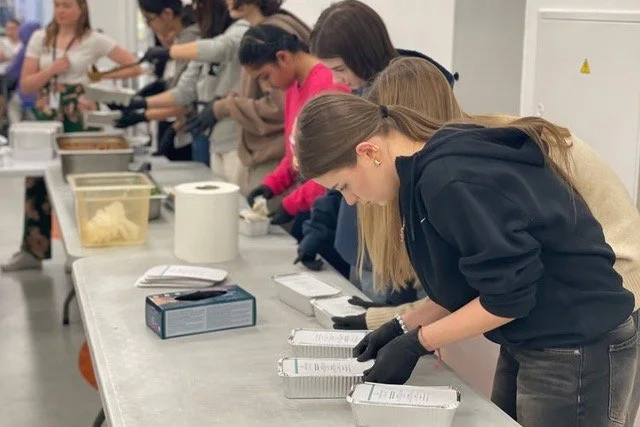
Collating data in real time, Aaron has been collaborating with several international schools to adapt the micro-credentials approach to their specific needs. The team at the International School of Kuala Lumpur, for example, opted to include elements from the module during every one of their student G6-G8 leadership meetings. “It’s been an eye-opening experience reviewing the ongoing feedback,” says Aaron. “Their pursuit of the micro-credential Team Power: Building Stronger Collaborations is letting students experiment with different roles during their meetings. Then they use Padlet to process their experiences and recognize their growth.”
Meanwhile, in a different part of the ISKL campus, student executives of their leadership council are mining their chosen micro-credential module for actionable strategies from baked-in resources from Project Zero or adaptive schools. Aaron reports that the implementation of this customized approach is going quite well. “Every Monday they plan the agenda for the larger group meeting that follows,” he explains. “The agenda that is executed, along with feedback from the team, serves as evidence of their experience testing new strategies for collaboration.”
A Visual Framework for Leadership
On Inspire Citizens' micro-credential webpage, visitors can explore the complete framework: bright, interconnected badge icons, each linked to a specific leadership competency such as Find Your Why, Taking Impactful Action, and Designing for Change. The visual flow mirrors the program’s learning journey from reflection to action, and from personal purpose to community impact.
“Finding Your Why is my favorite badge,” Sophie admits. “It links service to passion. It helps students uncover the issue they want to work on before jumping to a solution.”
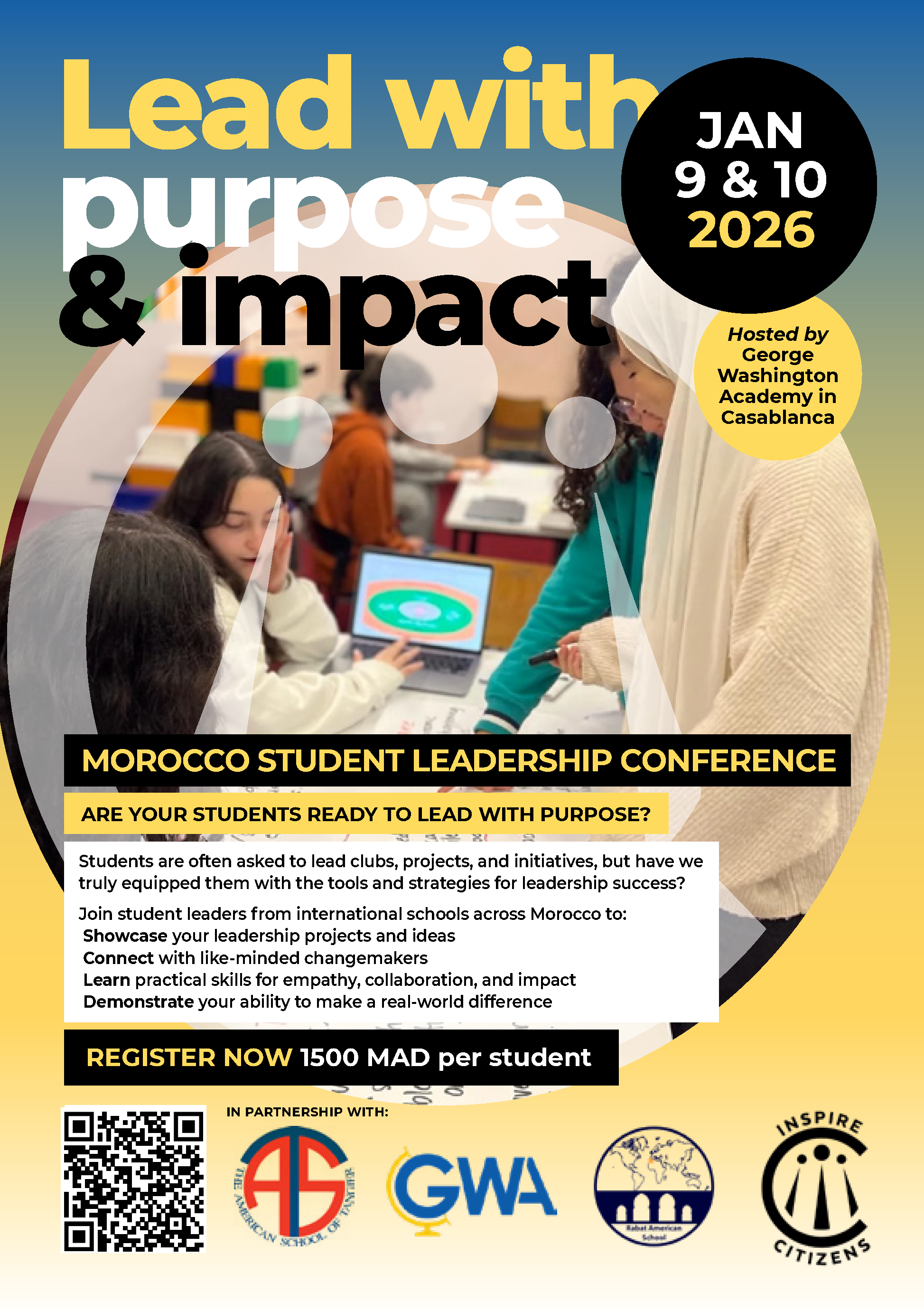
Micro-credentials are sure to be a topic of extreme interest at an important upcoming event. Aimee and Sophie are co-organizing the first Morocco Student Leadership Conference, where several international schools will come together to celebrate and share student-led initiatives—a model of learning that Sophie calls both “impactful and fun.”
The Why Behind the Work
For all three educators, the ultimate goal is collective empowerment. “What I hope is that micro-credentials can really be an avenue to create hundreds or thousands of impactful projects,” Sophie says. “And I hope we can also record them because learning through storytelling is key to getting inspired.”
Scott sums it up: “If we want a future that is equitable, just, sustainable, and joyful, we need leaders to help us shape it. That’s why this work matters.”
More inspiring ideas about Inspire Citizens Micro-credentials is found here.
And the poster for the Morocco Student Leadership Conference is here: