Time, Trust, and the Mela: How AISD Built Community Engagement That Lasts
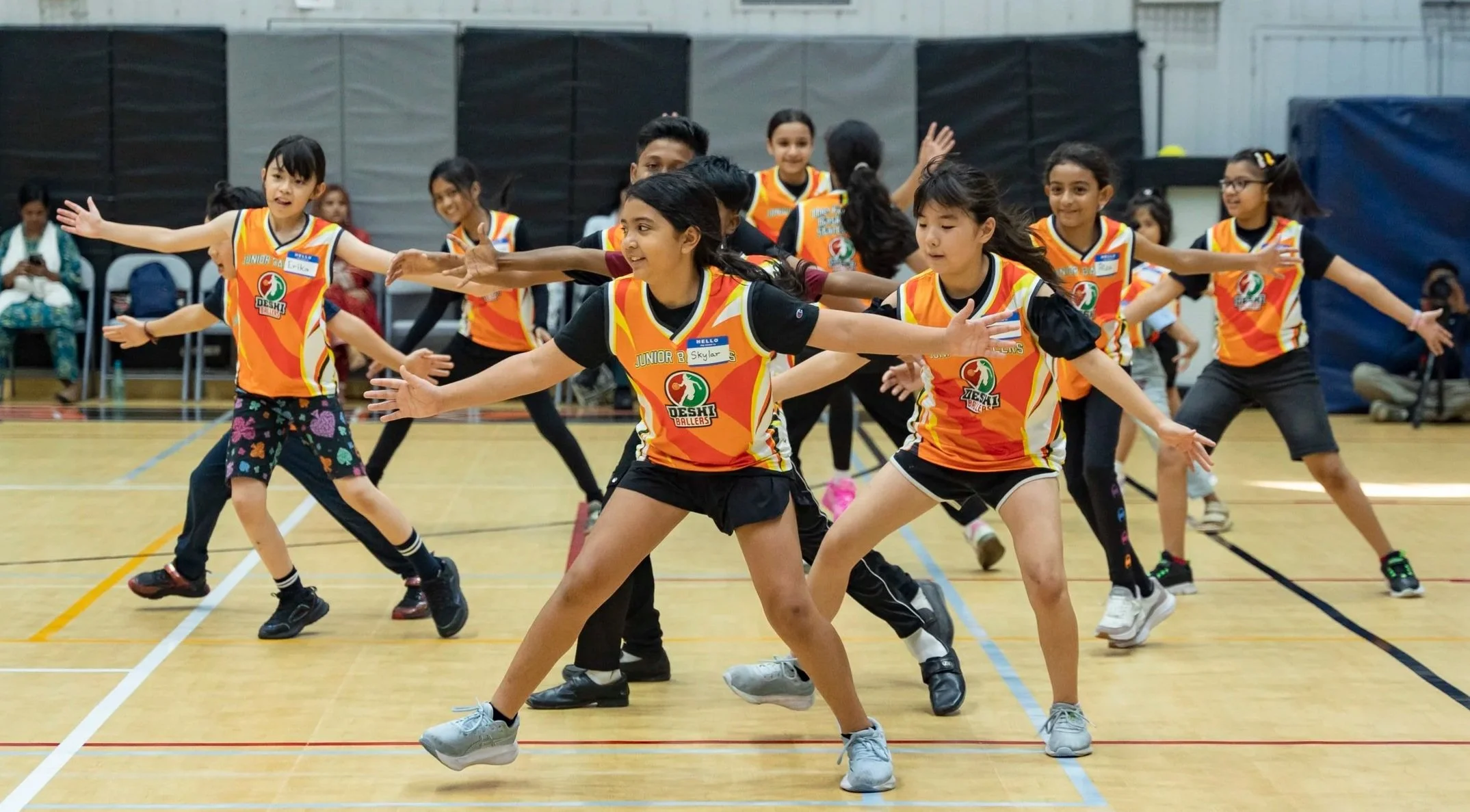
When sport and service become one: two AISD 12th graders found their way into a service mindset by helping train the first girls from their school to travel to Serbia to play basketball. (AISD image supplied)
When Kaitlyn Leach arrived at the American International School of Dhaka (AISD) in 2021, the school was emerging from a long stretch of survival. A 2016 terrorist attack had cut enrollment from about 800 students to roughly 350 almost overnight, and COVID followed close behind. For about five years, service had all but stopped.
Now in her fourth year as Secondary Assistant Principal, Kaitlyn describes something very different: students, teachers, and community partners planning together week after week. Getting there took a series of deliberate steps, taken alongside Aaron Moniz, co-founder of Inspire Citizens.
Why connection matters
Kaitlyn's conviction began at a weekly community soup kitchen where she volunteered in her younger years. Her group collected food, planned a Saturday meal, cooked it, served it, and then sat down to eat with the families who came. Over time she noticed which families returned and worried about the ones who did not.
"I realized that if I had just donated the food, I would never have made that connection," she says.
That lesson shapes Kaitlyn’s perspective and, in turn, influences the program at AISD. Kaitlyn wants students to move past one-time acts of charity toward relationships that last. "You have to build comfort and connection before you can actually get to the work,” she reflects.
Where it started
When Kaitlyn stepped into her role, AISD students had 30 minutes a month for service, and much of it went to raising money, including reselling fast food at a premium on a campus that had deliberately chosen healthier options. She ended the resale, gently helping the service learning committee to realize it was "a disservice to our community rather than a service." Projects tended toward one-off purchases, like buying a bookshelf, and this ossified into a short-term mindset around service initiatives.
That same year, Kaitlyn sat in a meeting with Aaron and recognized a shared vision. "He was the exact professional partner I needed," she recalls. Aaron brought years of experience guiding schools through exactly this kind of change, reflecting the way Inspire Citizens works: building whole-school systems through long-term partnerships. For her part, Kaitlyn ran the advisory program and hoped to bring service into it.
One stepping stone at a time
First came time. Service moved into advisory, with 35 minutes each week in mixed-age groups that now span Grades 6 to 12. Kaitlyn paired the start of the service cycle, building empathy and understanding, with identity work, so students begin from their own talents and passions.
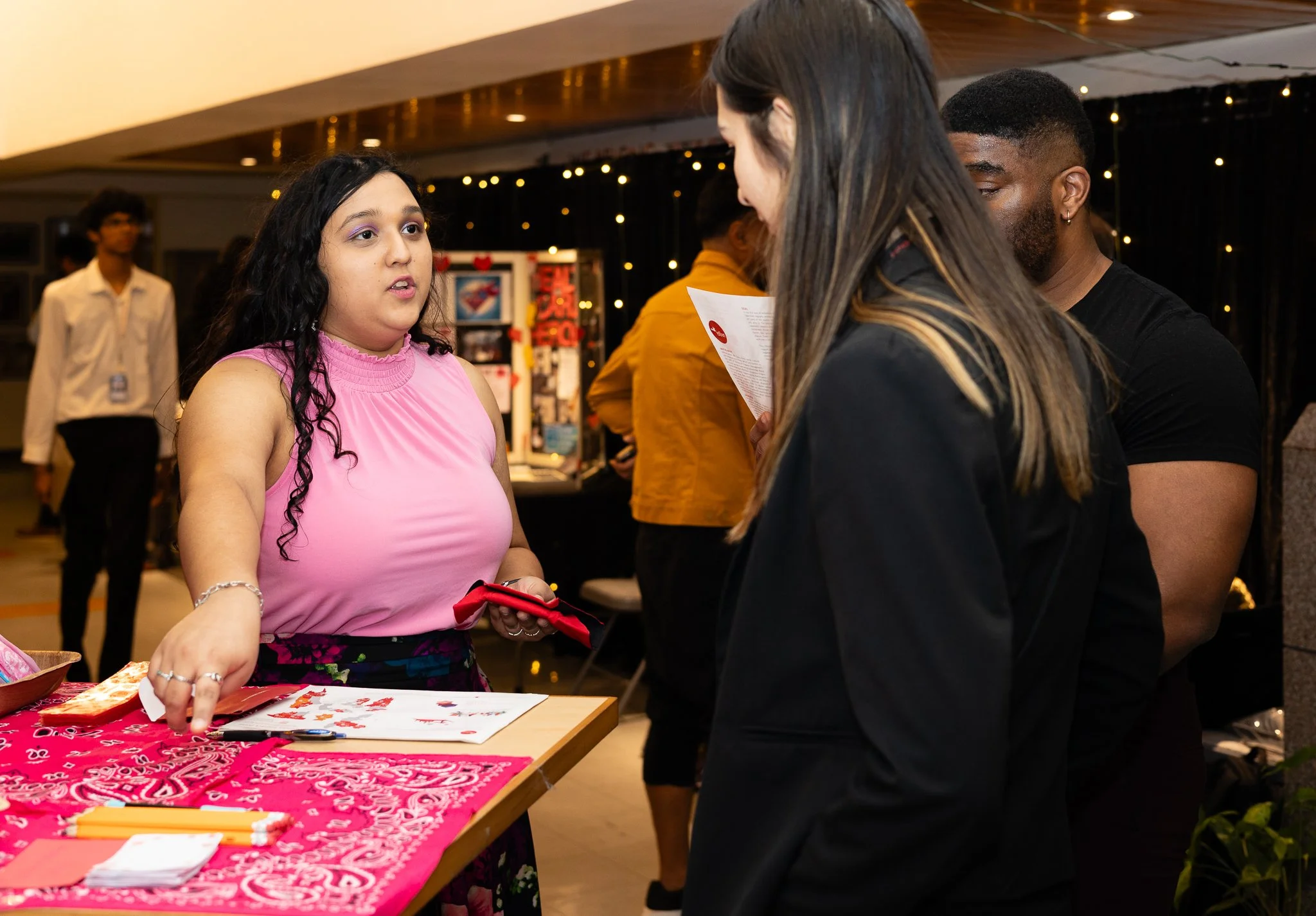
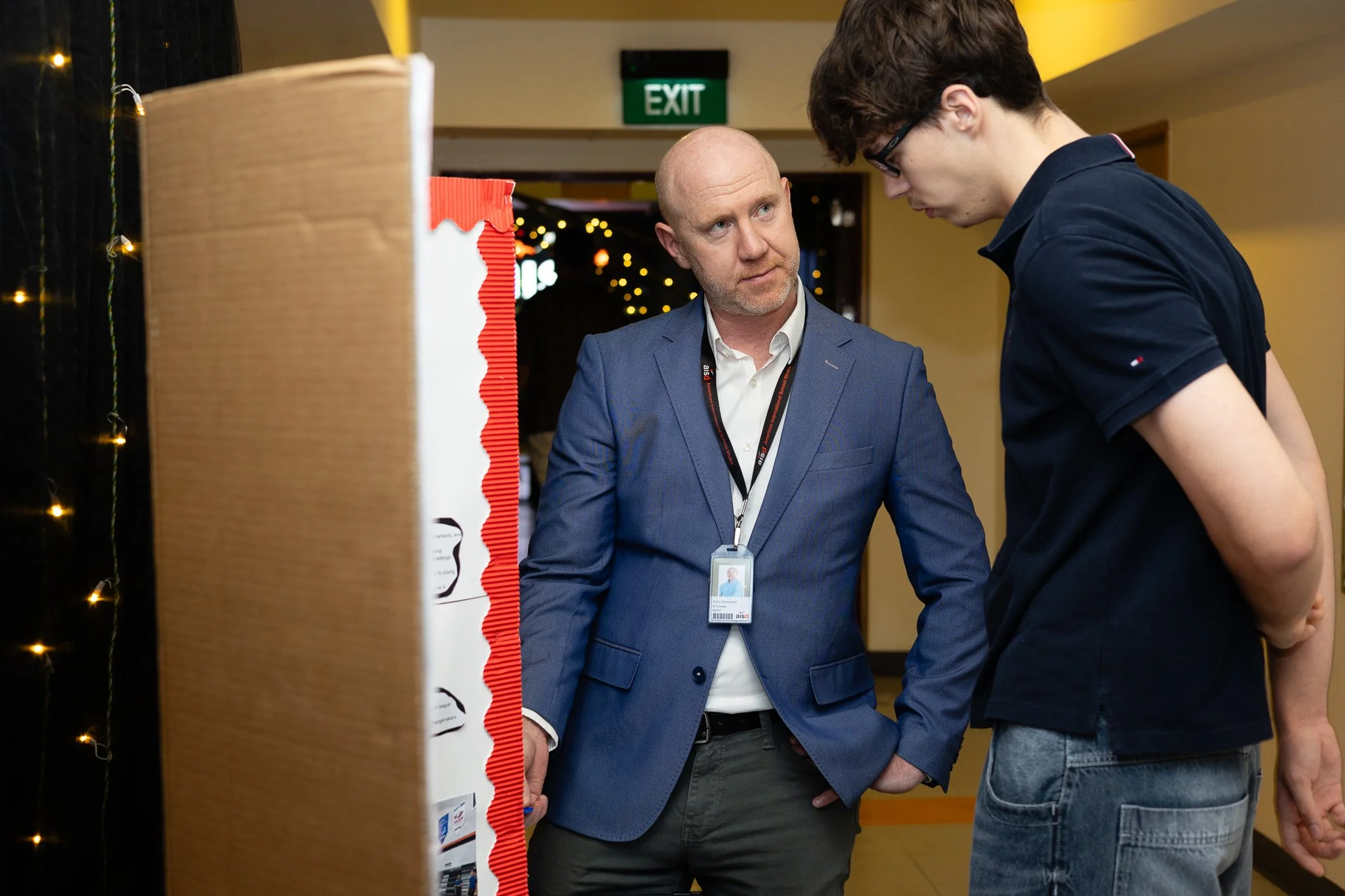
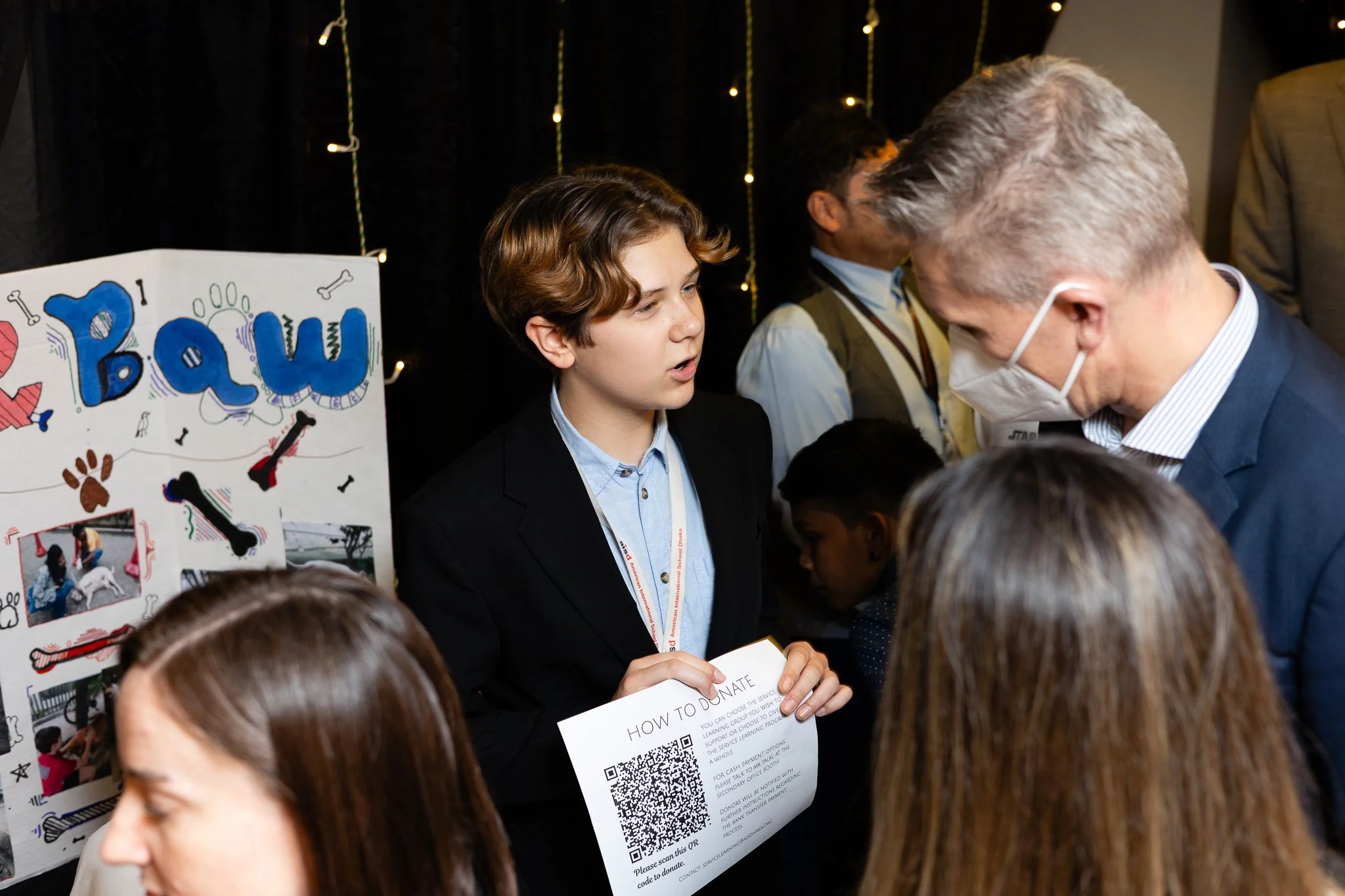
Next, the focus shifted from fundraising to the pitch: connect with a partner, then design a project together. Then came the Mela (মেলা), a school gala where students pitch their projects to the whole community. Families pledge money, expertise, or access through QR codes. Heading into its third year, the Mela has replaced fundraising entirely. "I have zero fundraising for service learning now," Kaitlyn says.
Through it all, Kaitlyn chose her moments. She knew early that the old fair-style group selection wasn't working, but waited for buy-in.
Students take the lead
This year, orientation included three consecutive 90-minute service sessions. Returning groups built websites sharing their mission. New students explored their identity, studied the service cycle, and wrote pitches for the groups they hoped to join.
Student leaders also now join teachers in Tuesday morning professional development four times a year to co-plan each phase of the cycle. The shift came after a colleague described service time as painful. "It should not be a painful 30 minutes," Kaitlyn says. Her answer to the situation is to frame the experience using team dynamics: “The teacher is the coach."
The results of the mindset shift show up in every group, including her own. Two 12th graders who had wanted little to do with service lit up when they began helping train girls who would become the first AISD females to travel to Serbia to play basketball. "Service learning is the authentic task," Kaitlyn says, where students put every skill to use together.
What comes next
Kaitlyn and Aaron are now discussing strengthening an already-strong situation by exploring a dedicated role to carry the vision forward. As well, Kaitlyn is looking at ways to broaden the impact of the students’ efforts by sharing the stories through intentionally crafted media. "People want to be part of a great story," she reflects.
And Kaitlyn is quick to add that, despite the momentous gains over the past few years, AISD is not finished. She describes the future eagerly: "My dream is that it's transformational.”