Small Plates, Big Questions: How SJI International's Grade 3 Team Made Food Waste Personal
Grade 3 students in Singapore weighed their own lunch scraps, interviewed the people who cook and clean up after them, and discovered how one small action can ripple outward.
Roxanne Hankinson, Head of Grade 3 at SJI International Elementary School in Singapore, faced a puzzle. Her team's IPC unit, They Made a Difference, invited eight and nine-year-olds to study historical figures like Rosa Parks, Marie Curie and David Attenborough. One learning objective pushed further: how does individual action contribute to collective action?
Service runs deep at a school whose vision is To Learn, Inspire, and Serve, yet the challenge was finding meaningful ways for younger students to make a difference.. Roxanne recalls asking herself a practical question: “'They're eight, nine years old. How do we make service authentic?'"
The answer began with a planning morning. Grant Smith, the senior leader driving SJI International Elementary School's focus on global citizenship, arranged for every grade team to spend time with Scott Jamieson of Inspire Citizens.
Starting smaller
The team first reached for clothing recycling, until Scott's questions surfaced a risk. "We felt like if we pursued the clothing recycling concept, the logistics might be overwhelming and require a greater amount of teacher intervention,” Roxanne reflects. “And the whole point was for the children to take the lead.”
Instead, the conversation settled on something the children faced every day: what happened to their lunch - especially the parts they didn’t consume? She credits Scott with "asking questions and guiding our conversation to where it wanted to be." The team cleared two weeks in their calendars and all five teachers took a role, which, with three new to the grade, doubled as team building!
Deploying proven tools with a lineage
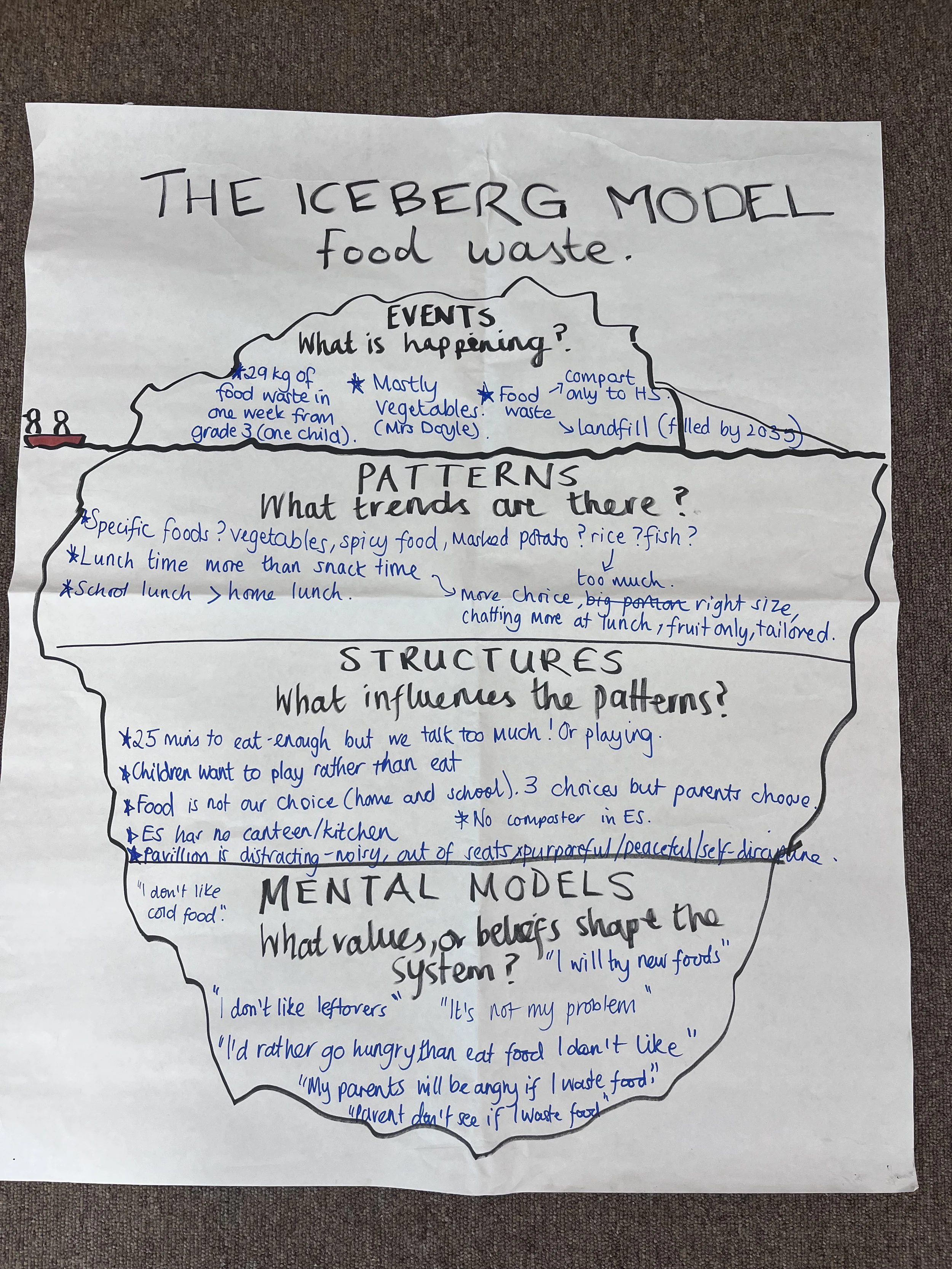
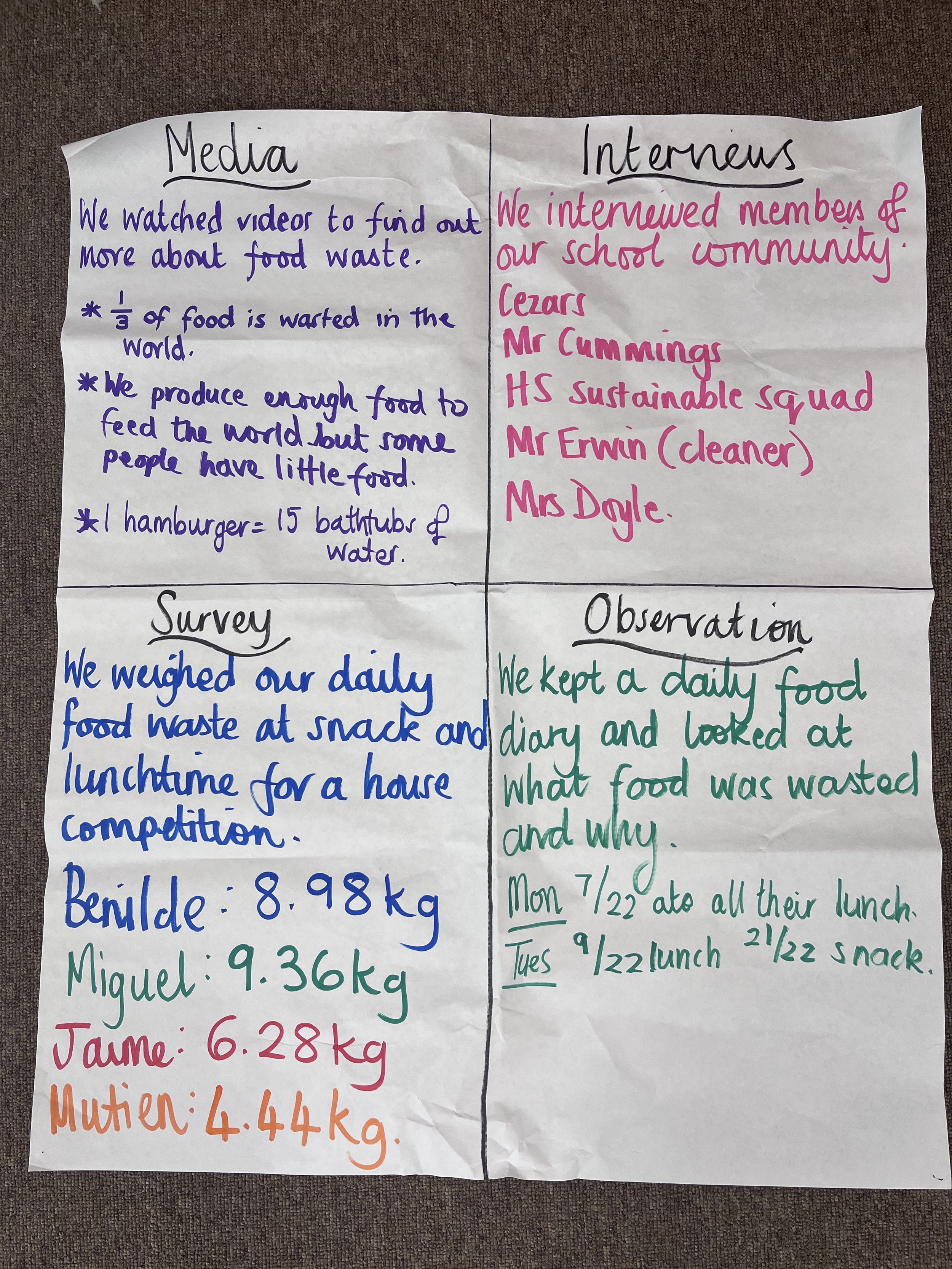
Good tools travel. Students researched through MISO (Media, Interview, Survey, Observation), a framework developed by service learning author and educator Cathryn Berger Kaye. They unpacked their findings with the Systems Iceberg, a systems thinking model shared widely with schools through Compass Education. SJI International's CEO, Dr Michael Johnston, had already introduced staff to both these tools during previous professional development sessions, and Scott's planning morning put MISO to work right away.
For Roxanne, MISO met a challenge of our times. Research had become a reflex of MacBooks and search bars. "Now, with AI, they just want to click on that first result, and that's the only thing that they read," she says. “Thinking critically about online sources and expanding research parameters to include non-internet sources is an approach that SJI International seeks to develop in students.” She references the school’s published Way of Being as providing guidance for this type of inquiry.
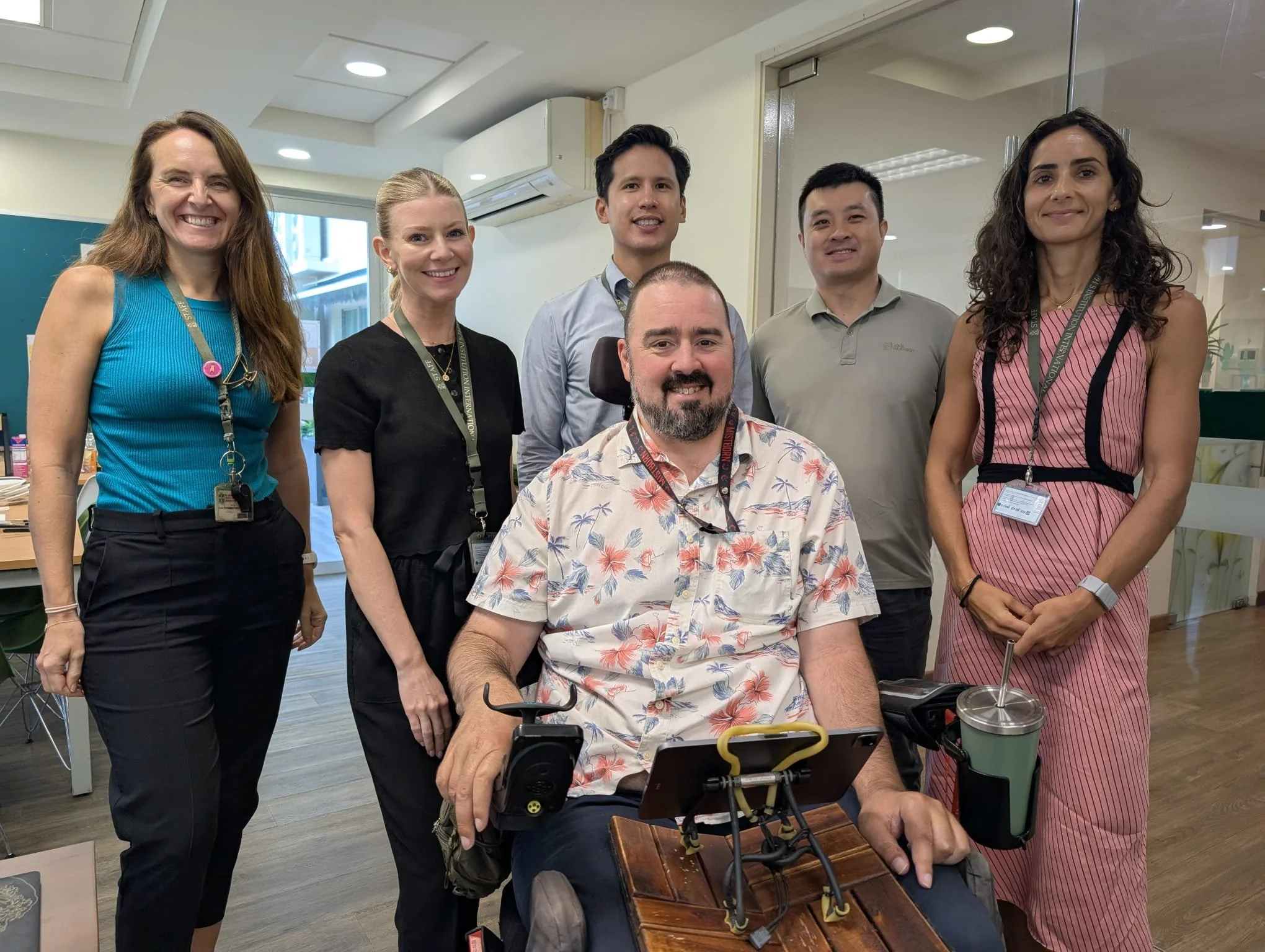
The Y3 team enjoyed some in-person collaboration with Inspire Citizens as they forged new approaches to global citizenship. (Left to right: Roxanne Hankinson, Rebecca King, James Sison, Scott Jamieson, Henry Yu Jiao, Ruth Murray)
Media came first: chosen videos revealed that Semakau Landfill, Singapore's only landfill, is projected to run out of space by 2035. In interviews, small groups questioned the School’s catering team, a cleaner, the Vice Principal and teacher Clayton Cummings, who runs the Eco Club. These groups then taught one another jigsaw style. A cook's account of healthy meals landing in the bin hit home. "These are real people, people that they know, people they respect," Roxanne says.
For the survey, students scraped leftovers into bins sorted by the Schools House System to create healthy competition, and volunteers weighed them daily. Waste dropped over the week, totalled 29 kilograms from Grade 3 alone, roughly the weight of one child. "They could actually see the food waste. So, it was real." Observation added a lunchtime bin time-lapse video and food diaries noting what was wasted and why.
Beneath the surface
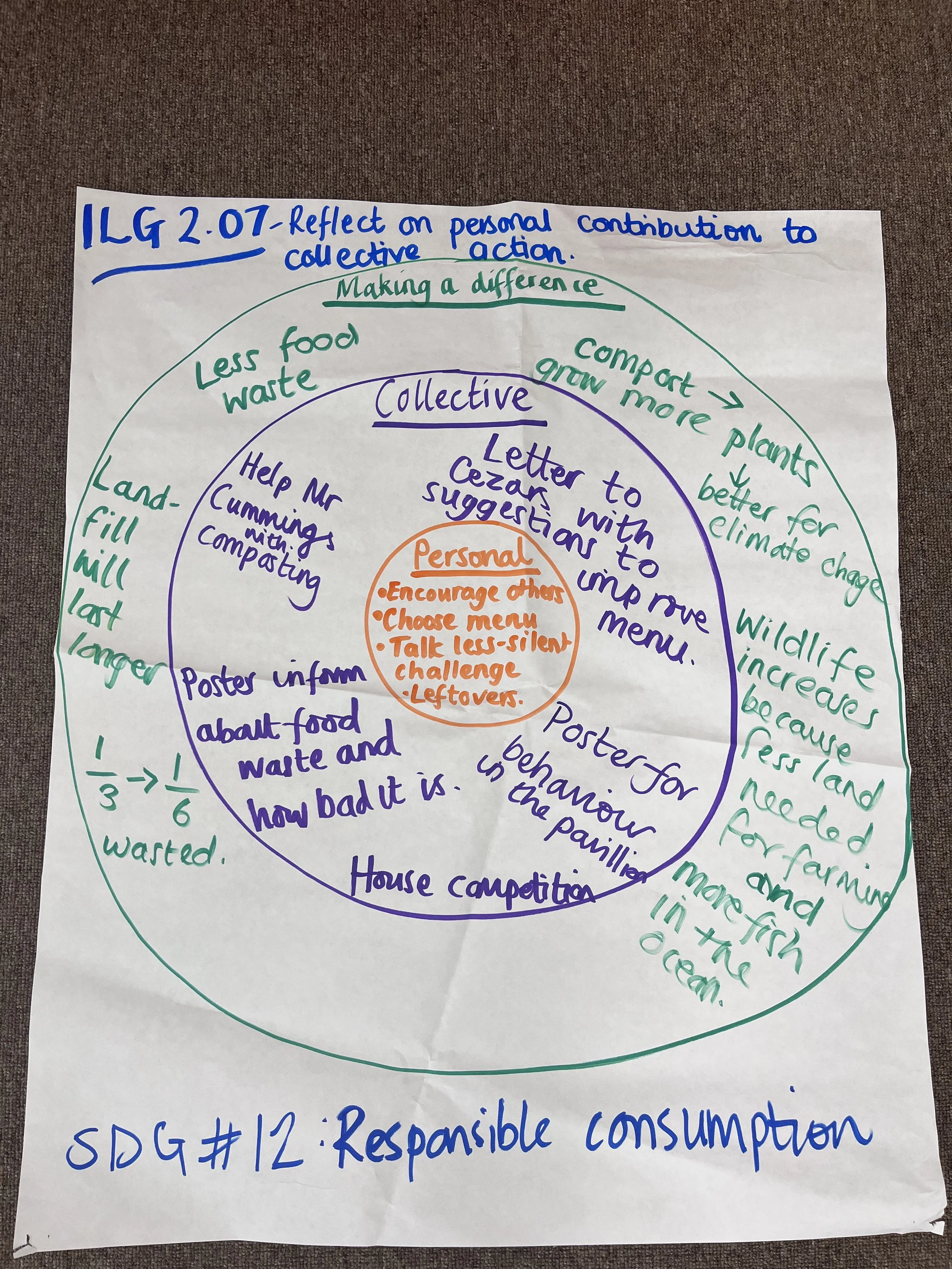
On the iceberg, students found patterns (vegetables were wasted most), structures (pre-packed bento boxes, often chosen by parents) and mental models ("who cares?"). They then mapped their action as a ripple. Some chose to pick lunches with their parents; others resolved to talk less and eat more. "It doesn't need to be a huge fanfare event to take action. It can be a small thing like that,” Roxanne reflects.
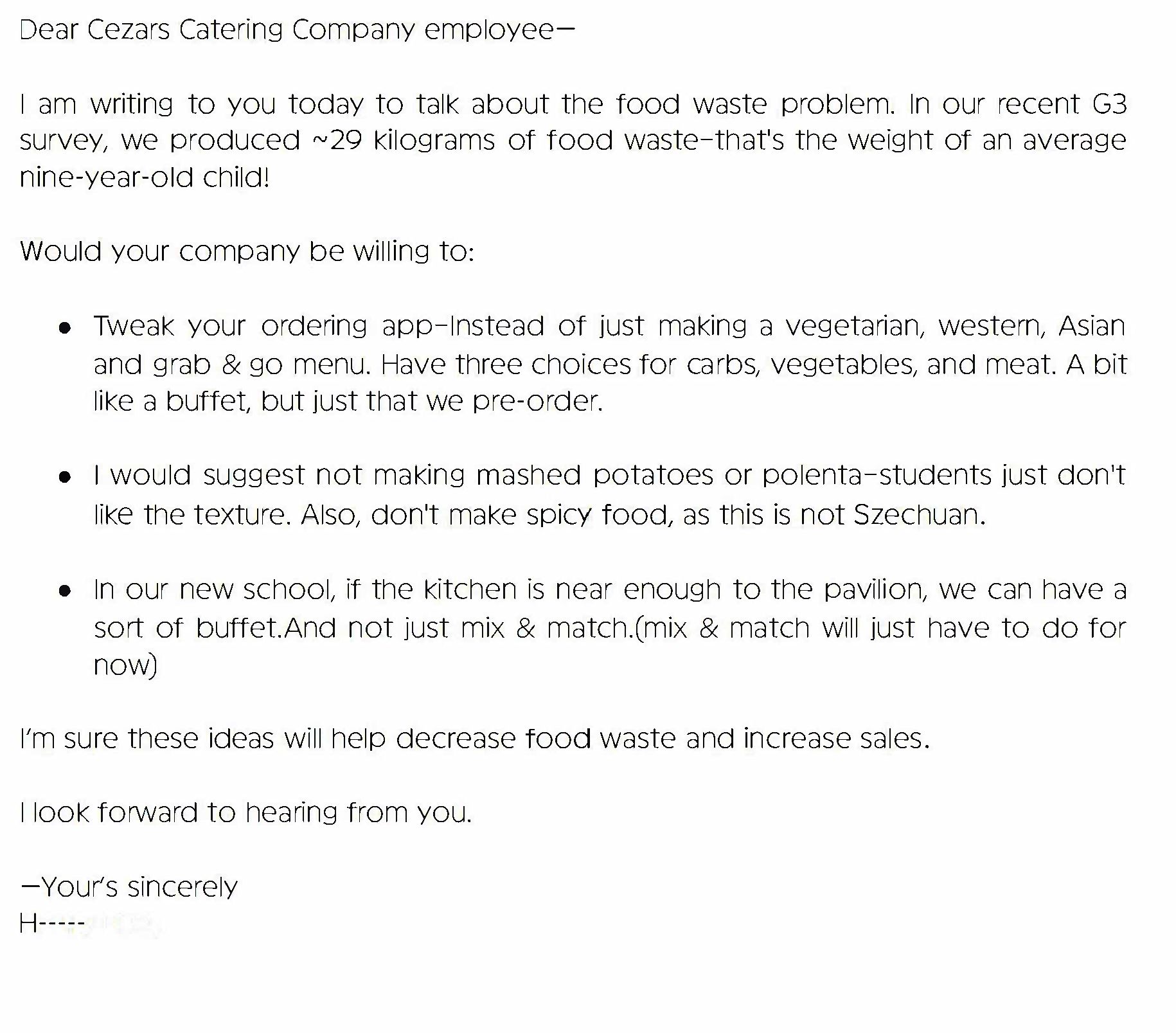
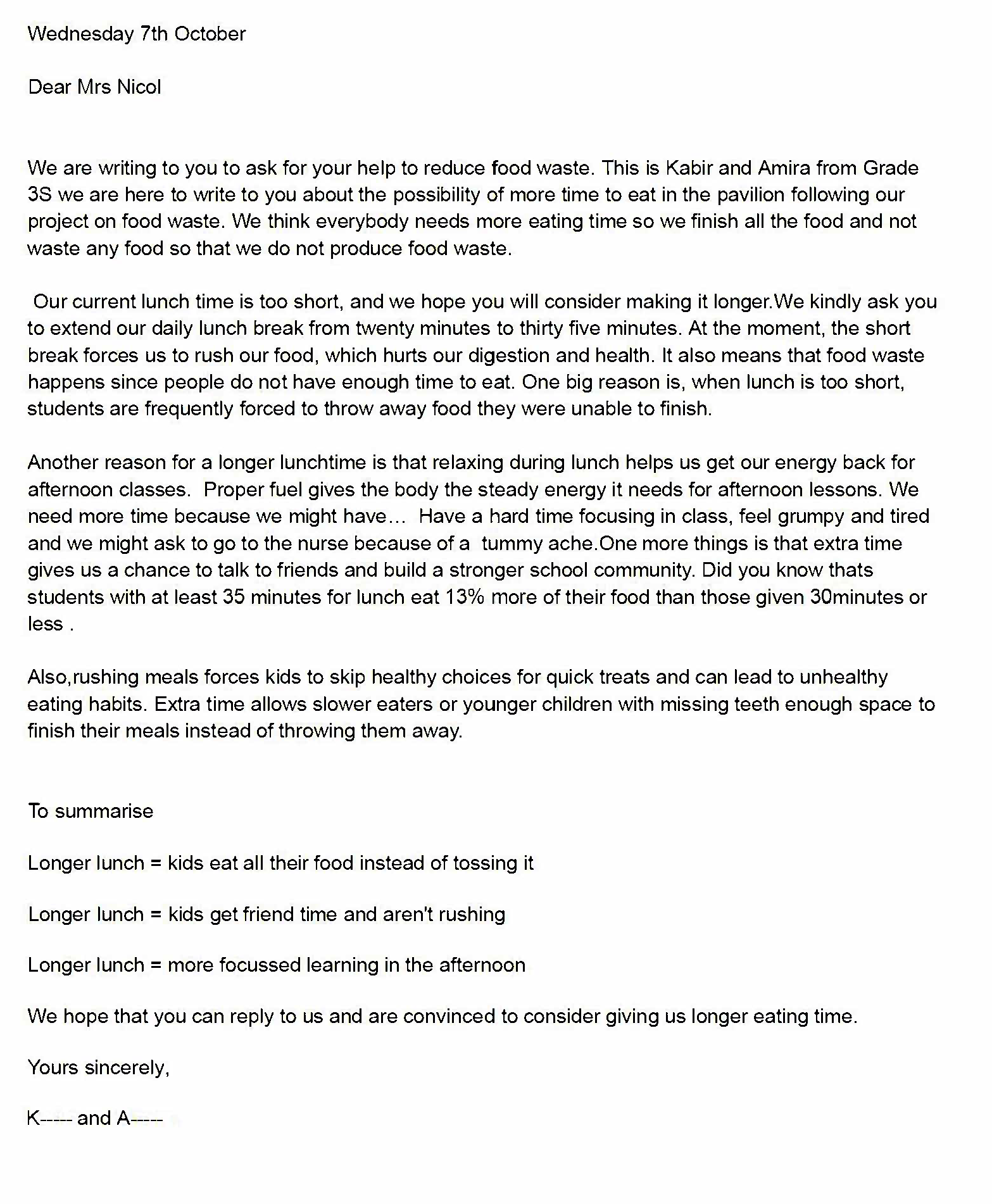
Together, students wrote letters and posters, and Roxanne's class presented the project at assembly. Four students hand delivered letters to the school’s CEO asking for Elementary School composting and buffet-style lunches at the future campus. He walked them to the High School composter and shared their letters online, sparking talk of grants. A "Compost Crew" is forming, students hope to take the House Challenge school-wide, and Scott plans a podcast [Link to E2I podcast] with some of the students.
Skills for what comes next
Roxanne sees a shift in herself. "Is it important that students know everything from a textbook on maths? Or do we want them to be strong critical thinkers?" Interviewing adults built confidence, and she believes "building relationships is probably going to be something really important that they need going forward."
The school is pacing itself, choosing units where community engagement fits naturally. As Roxanne puts it, "it's authentic learning."
Getting Connected with More Inspiring Ideas is Easy
Tune in to the Empathy To Impact Podcast