Passport, please: All aboard for a journey from Empathy to Impact in Year 5
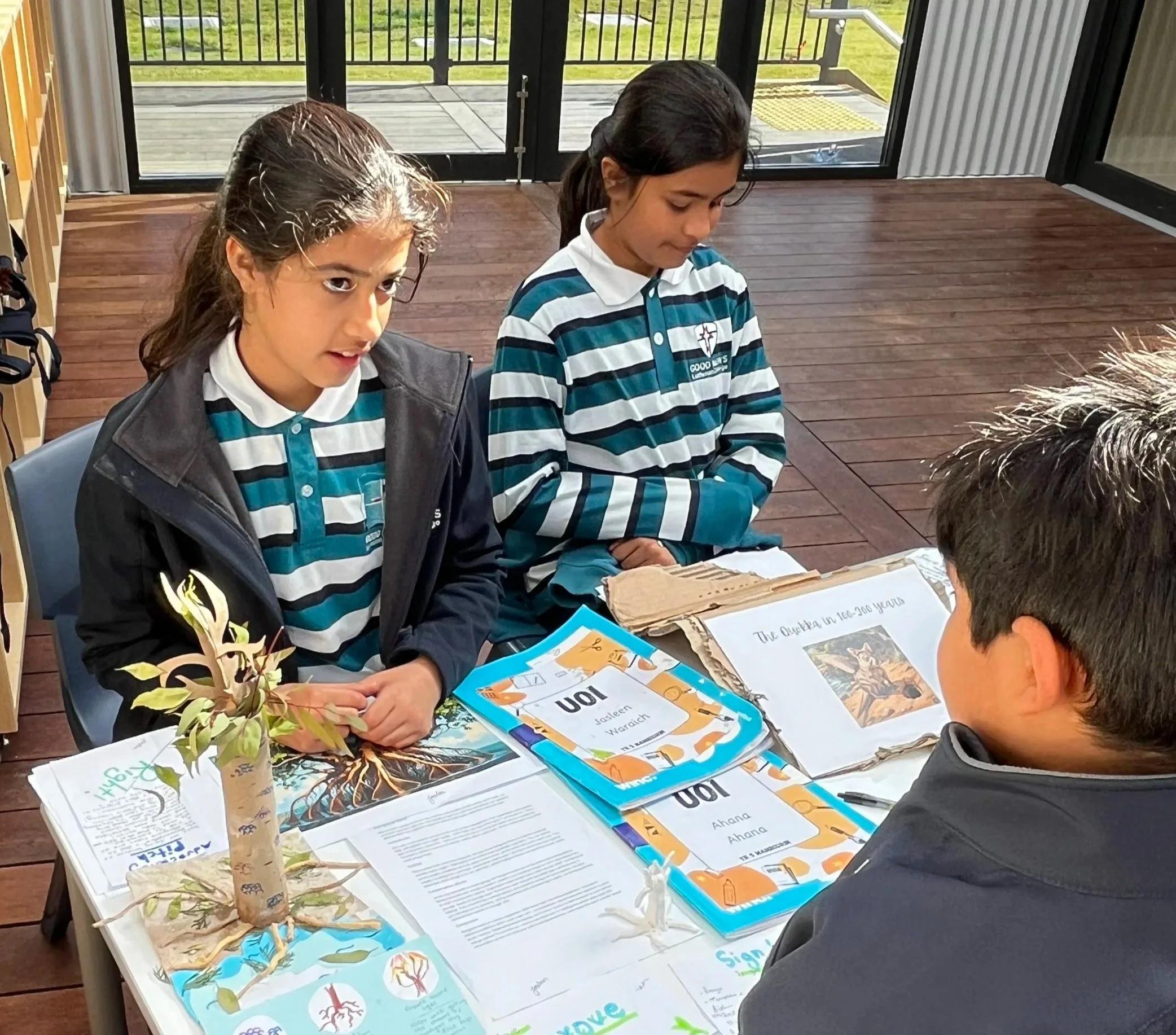
Year 5 learners at Good News Lutheran College embarked on a journey that would weave strands of learning into robust understandings linking locally and globally relevant issues.
Everyone lined up. Passports were at the ready as excited travellers tried to peer over the shoulder of the person in line ahead of them. The adventure was about to begin. A group of keen Year 5 students were embarking on a journey of the mind as a tiny portion of Good News Lutheran College was transformed into the next destination in a revolving set of fascinating “biomes.” They would encounter wondrous natural features, endangered animals, shrinking habitats and the visible fingerprints of human impact on a changing planet all from the comfort of their classroom.
“It was a really good way to tune them in and help them become more aware of life in the different biomes," says educator Claudia Squire. For some, attaining this level of engagement might seem like the end goal for a unit of study, but for Claudia and her co-teaching colleagues, the design of this experience was just a small part of an intentionally crafted unit that would see students moving toward a greater sense of empowerment in significant global issues.
More Than a Destination
As the unit steered students toward a realistic awareness of adaption principles, students faced challenges that would allow them to embody how it might feel to be suddenly mismatched to their environment. They had tried to do their best handwriting outside with nothing to press on, assembled origami frogs without instructions, and aimed to produce quality work while enduring loud and distracting music — a series of deliberately disorienting provocations designed to help them feel, not just understand, what adaptation actually demands.
Where some might develop curriculum by instinct, Claudia and her colleagues were deploying important principles underlying a specific guiding framework. Claudia remembers encountering the Empathy to Impact (E2I) framework at a regional professional development event run by Inspire Citizens, where Aaron Moniz and Lottie Dowling worked alongside educators from across Australia to plan units through a new lens. For Claudia, the timing was right.
A Framework That Promotes Caring
“I saw the alignment with our PYP straight away," she recalls. "Building in the ‘care’ element for the kids was really impactful. And I think it fits really nicely into the inquiry cycle — tuning in, finding out, sorting out, making connections. I've actually been able to apply this framework to the majority of my inquiries since."
What drew her in was not a wholesale reinvention of her practice, but a deepening of it. The E2I framework — Care, Aware, Able, Impact — offered a clearer architecture for Claudia's existing instincts for hands-on, emotionally resonant learning. She had always wanted her students to connect with what they were learning, and now she had a more deliberate way of building that connection, stage by stage.
She brought her planning back to a team of five Year 5 colleagues at her school's main campus. "They were so open and excited about how impactful this could be for the students," she says. "They absorbed it, they wanted to do it, and then we took action and just did it."
The science unit on living things, biomes, and climate adaptation became what Claudia calls probably the best unit she has ever taught. After the biome journeys and the adaptation provocations, students encountered the UN Global Goals for the first time. They walked through a sensitization gallery. They researched endangered and extinct organisms and examined what climate change and deforestation were doing to the habitats of real animals they had come to care about.
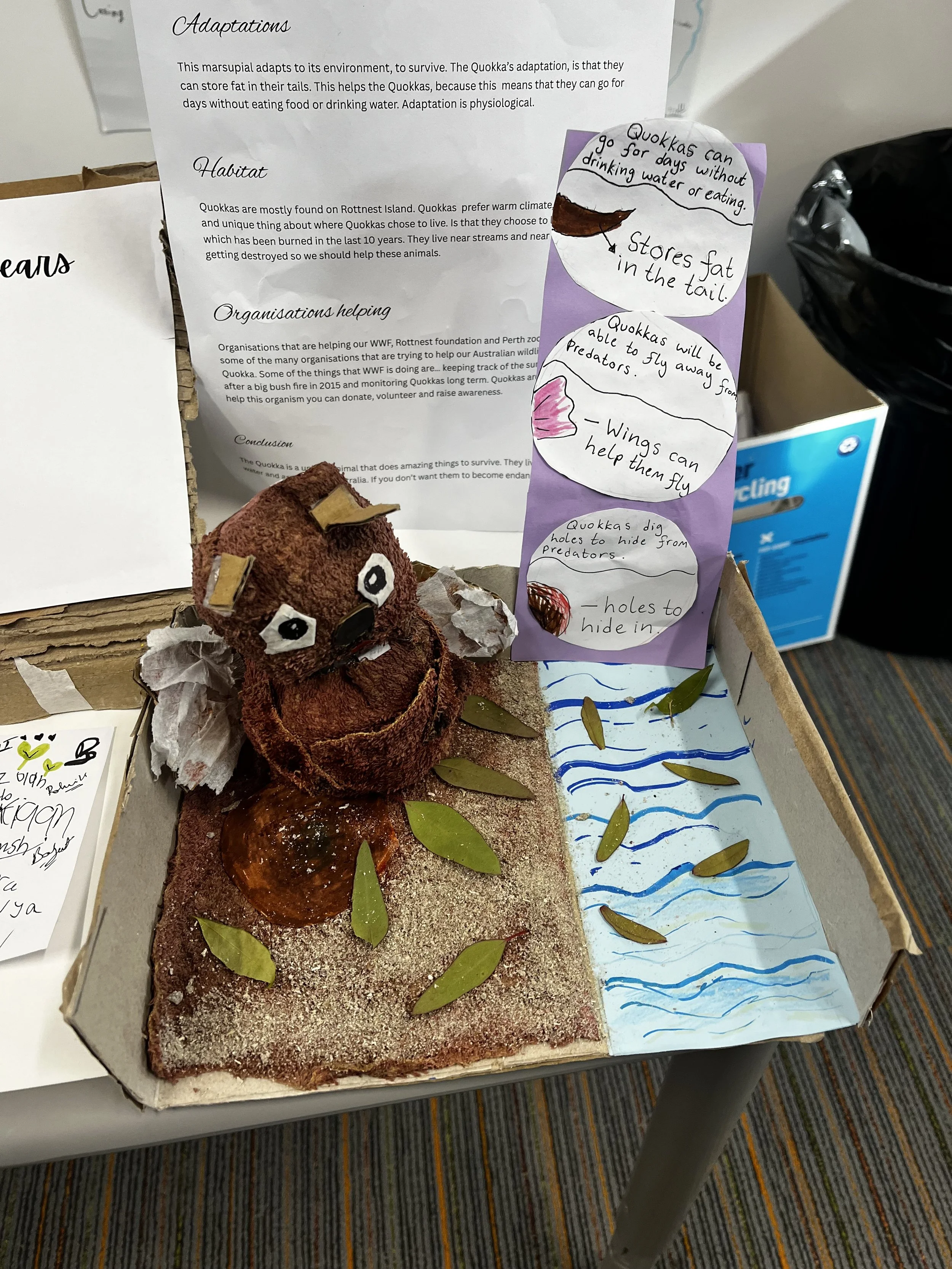
Then came the challenge. Students chose a native Australian organism, learned its adaptations, and asked a question that was at once scientific and deeply human: what will this creature need to survive in 100 years if the worst happens?
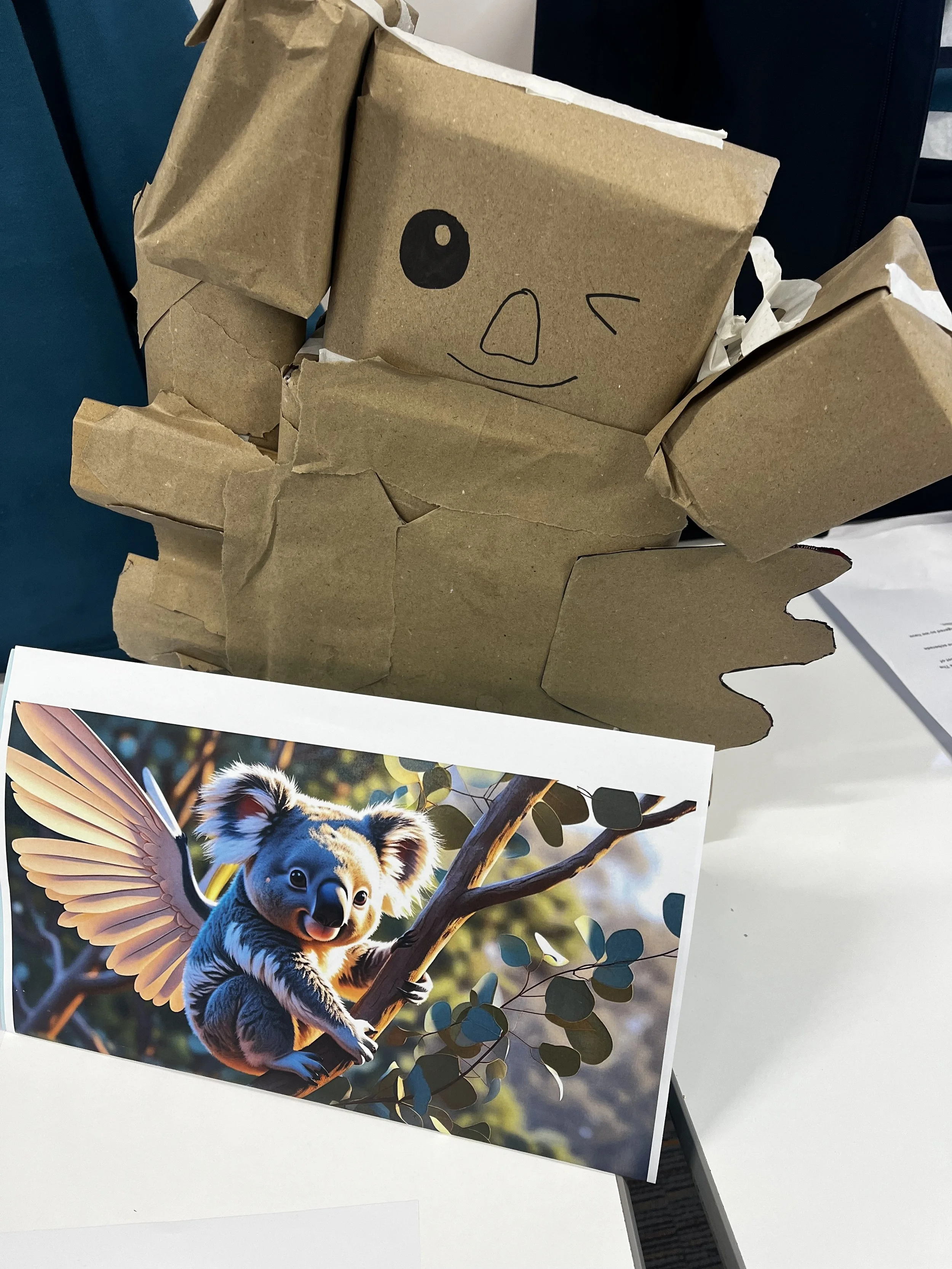
A snake grew gills. A koala sprouted wings. Students built 3D models of their evolved organisms, generated AI images to visualise them, and then did something that mattered even more: they stood in front of their families and advocated.
The Dawning Awareness of Real Global Issues
"We know that animals can't adapt that fast," Claudia explains. "It takes thousands of years. So the students were advocating for the animal, asking what we could do to make sure their habitat doesn't look like this in 100 years." Parents leaned in. Younger students wandered over, wide-eyed. Five and six-year-olds left talking about turning off lights and putting rubbish in bins. They were basic outcomes, but for young learners, these are valuable patterns of thinking.
Inspired by what the framework had made possible in science, Claudia redesigned a second unit, this time on civics and health, around the same architecture. The central idea: understanding diverse perspectives can build a pathway to harmony.
Recognising What They are Able to Accomplish
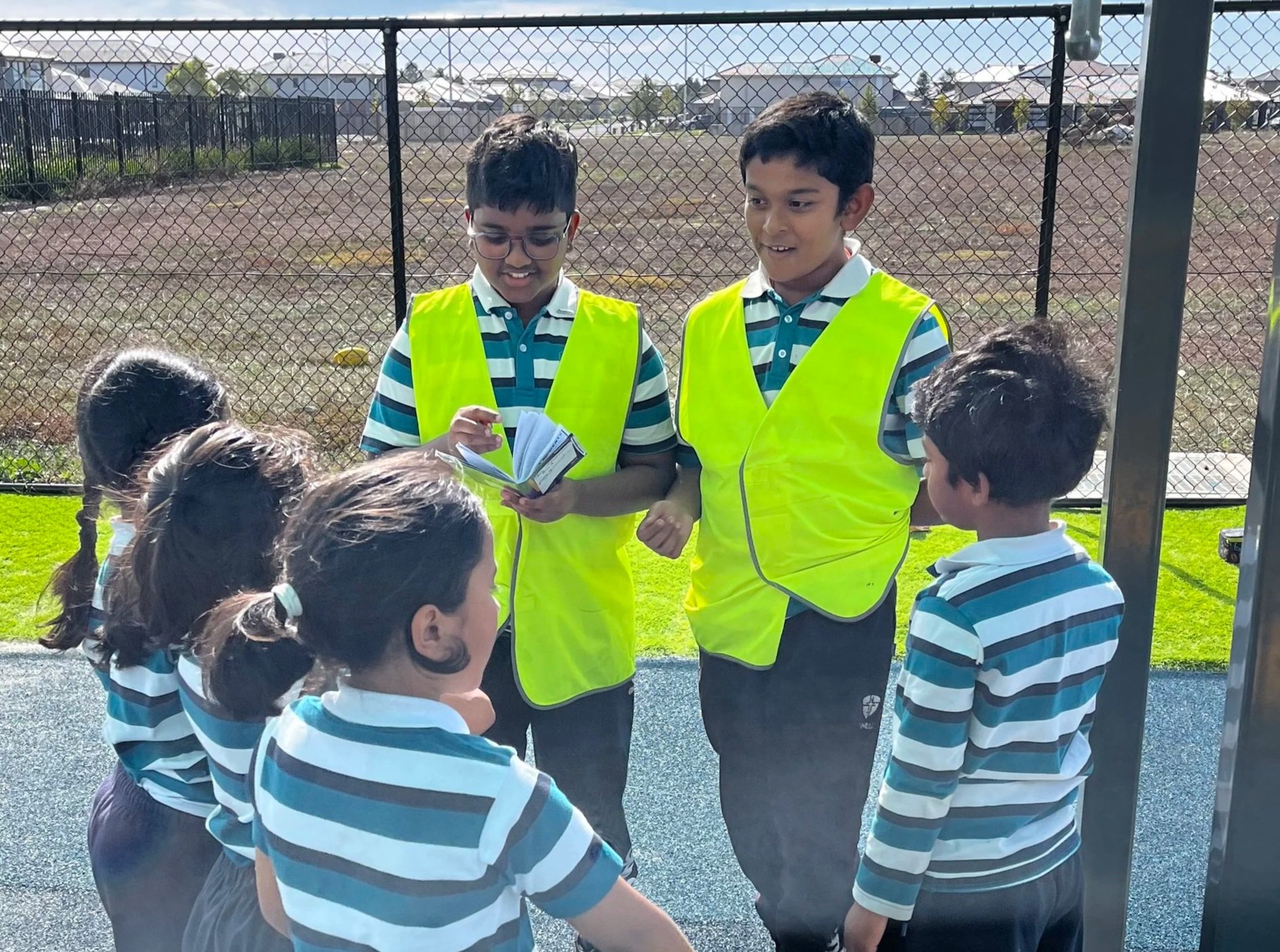
Explorations of community led to interviews and outcomes that connected concepts of connection, belonging, empathy and shared responsibility.
Students used first-principles thinking to ask what community really means at its fundamental root, arriving at words like connection, belonging, shared responsibility, and empathy. They explored concentric circles of conflict, including personal, social and global, and studied how one small disagreement can ripple outward. They interviewed their five-year-old prep buddies to discover what social skills the younger children needed in order to transition into school harmoniously. Lessons were then planned and taught specifically for them.
And then they wrote letters to their principal. Last year's class asked for peer mediation. The principal said yes. Those students trained and went out to the yard at recess and lunch to help younger children resolve conflicts. Claudia beams when she says, “they were actually able to become mediators. They've been helping the community live in harmony."
Amplifying Impact through Collaboration
What Inspire Citizens offered Claudia was not a script, but a shared language and a structure she could think with. The collaboration at the regional PD — including an educator from Adelaide whose traveller's passport idea became integrated into the science unit — modelled exactly the kind of collective building that Claudia now sees as foundational to good teaching. "I find it so important — the collaboration," she says. "You've got your own ideas, but when you work with other people, you keep building. And you're trying to do that for the kids. Ultimately, you are trying to create learning experiences for the best impact on the child."
Bringing her experiences along to her new setting at Good News Lutheran College's Mambourin campus, Claudia and her colleagues are now working with Lottie on a whole-school approach to the Who We Are unit. The common vocabulary is spreading. New teachers at the school are encountering the framework early in their careers.
Claudia, meanwhile, is already thinking about updates to the science unit as its time approaches again. "After teaching the unit last year, I was reflecting: okay, we can do certain things differently to make it even more effective. So now it's about putting those ideas into practice and seeing it happen."
It’s nearly time to bring out the passports and let the journey begin anew.