Built to Last: How the British School Jakarta Is Spreading a Culture of Community Engagement Across an Entire School
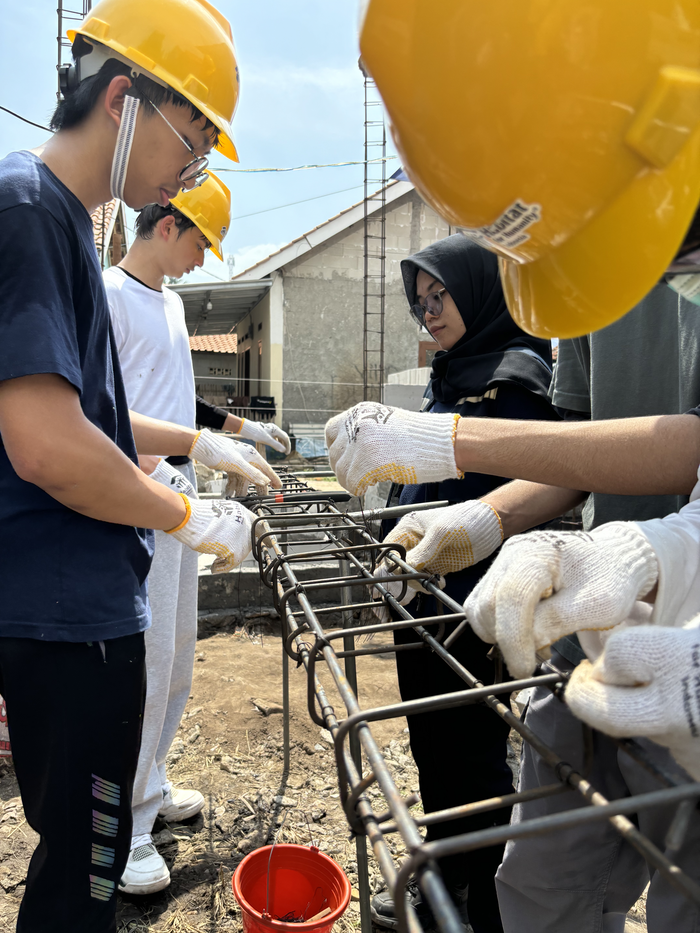
At BSJ, Habitat for Humanity connects classroom learning, student-led fundraising, and hands-on service into a lasting commitment to community partnership. (image supplied)
At the British School Jakarta, community engagement is not a program. It is, in the words of assistant MYP coordinator Alyric Merriott, "something we wake up and think about. We go to bed and we think about it. It's just within our makeup."
That makeup has been decades in the making. Elizabeth Alwi, CAS coordinator and the school's longtime connector to the wider Jakarta community, has been at BSJ for 25 years. Together, she and Alyric have become professional collaborators in pursuit of a noble vision: a school with genuine, reciprocal relationships woven into the daily rhythms of student life, from weekly after-school activities with local children to regularly planned visits with a refugee learning centre an hour from campus.
Sustaining this multifaceted approach takes a whole team. Primary Service in Action Coordinator Morgan Jones has been steadily building community engagement into the primary curriculum, developing new partnerships while nurturing those already established, so that students arriving in secondary school already know who Sekolah Bisa is, who the Refugee Learning Centre is, and why those relationships matter. In the middle years, MYP Years 4 and 5 Core Coordinator Jeannine Laurens ensures the connective thread holds, including a recent visit to the Refugee Learning Centre and an upcoming activity day. By the time students reach the diploma programme, Assistant CAS Coordinator Megan Magee, is ready to meet them with the hands-on support those longitudinal projects demand. Head of Wellbeing Andrea Downie adds another important dimension: BSJ firmly believes that CAS and service live within the wellbeing space, and deepening that connection is very much part of where the school is headed next, including in its ongoing partnership with Inspire Citizens.
More than 20 extracurricular activities tied to community engagement run each week. Three service learning days anchor the school year. The work is wide, deep, and very much alive.
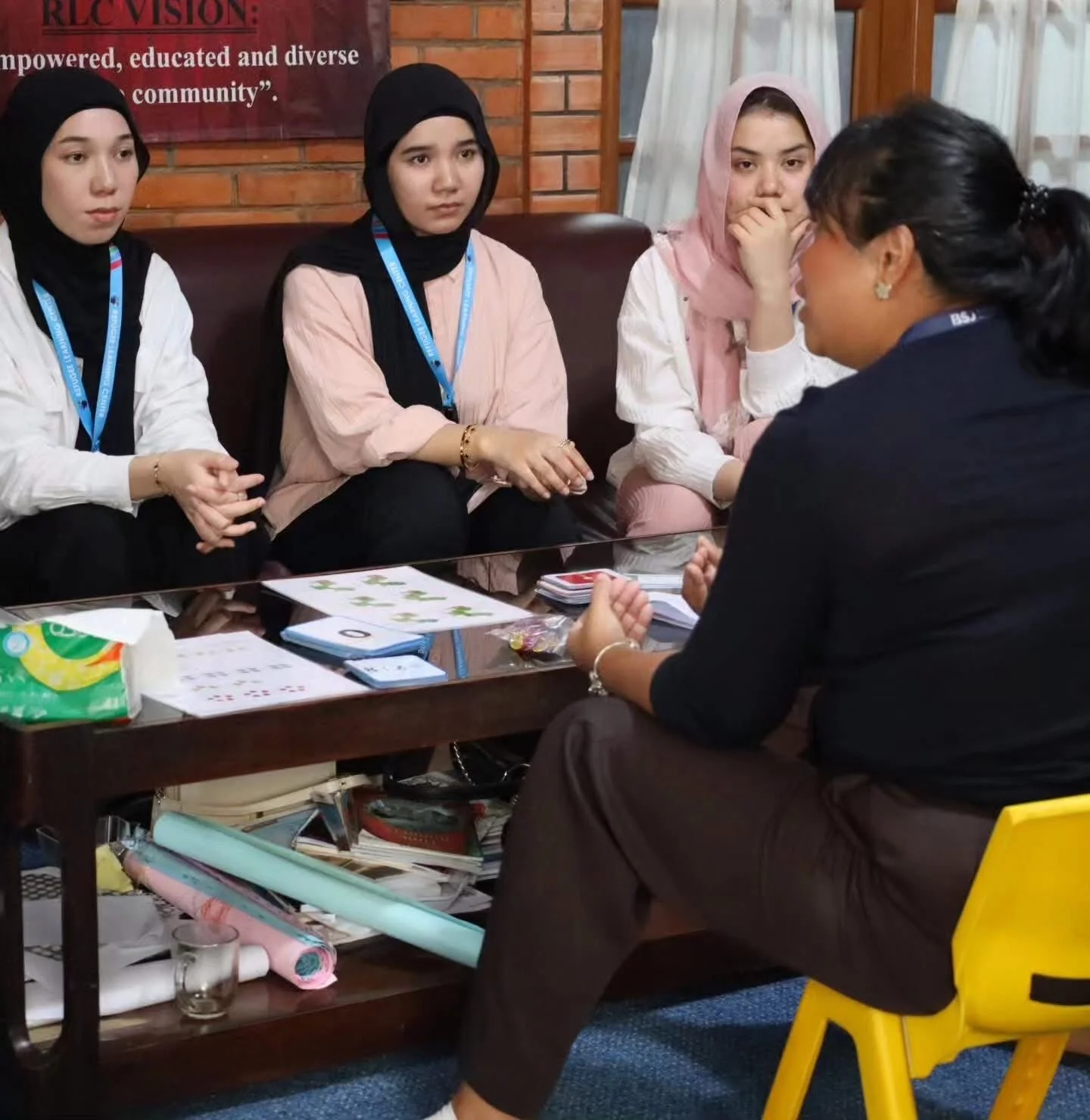
At Sekolah Bisa, BSJ’s decades-long commitment to reciprocal community partnership comes to life through relationships that continue to shape learning on both sides. (image supplied)
Roots That Run Deep
The foundation of this robust programme was laid by Adrian Thirkell, a BSJ CAS coordinator who literally got on his bike, cycled through the neighbourhood, and found children living as scavengers near a rubbish dump. The children had no school. What followed became the cornerstone of the school's community engagement legacy: students designed and built a school, then another, then two more. Sekolah Bisa, now a thriving primary school serving 25 students, remains closely connected to BSJ. A similar story of success is seen at Sekolah Maleo, built on the same foundation and now a community-managed middle and high school. Last year, six of its students went to university, the first time that had happened in the school's history.
"These schools still exist," Elizabeth says simply, and the weight behind those four words is considerable.
Today, those origins continue to shape how BSJ thinks about community partnership. Relationships are long, intentional, and reciprocal. When the refugee learning centre lost its principal to a long-awaited relocation to Canada, BSJ already knew his successor. The continuity of Habitat for Humanity efforts, now coordinated by maths teacher Nadia Williams, stands as another example: Year 7 students run fundraisers, older students carry out the builds once they reach the eligible age of 15, and a BSJ-named house is the annual result. Chasing your own fundraising dollars to a building site, it turns out, is a powerful rite of passage.
And, as anyone involved in service education can attest, connections are vital. Three important BSJ team members serve as the daily connective tissue between the school and the community it serves: IBDP CAS Admin Coordinator Rebeyca Indriani, Whole School Service & Community Coordinator Adimas Grahito, and MYP Core Administration Coordinator Lia Isniarty visit families, support local schools, and ensure that relationships are held with consistency and care.
From Events to Curriculum
The next frontier is embedding this culture into the curriculum itself, a shift that Alyric describes as the most important work of the past 12 months. In Year 7, a humanities unit on inequality now connects directly with Habitat for Humanity, giving students a clear line of sight from classroom learning to community impact. A cross-curricular interdisciplinary unit of study between humanities and design is in development for Year 8, with students creating objects that local partner schools can actually use. Year 9 students explore a menu of community projects through service days, and Year 10 students undertake a group mini-personal project centred on a school for children with special needs. By Year 11, students are being introduced to the Refugee Learning Centre so they can carry that relationship into their CAS journey.
"It ideally needs to be a non-negotiable within our faculties," Alyric says. "Teachers who join the school should see it in the curriculum already. They should understand which community their subject is working with and how those links work."
Seeking Partnership to Address the Pressing Questions
Global citizenship is the emerging horizon. During a visit from Inspire Citizens facilitator Scott Jamieson, BSJ gathered faculty champions from across every department to begin mapping where global citizenship already lives in their teaching, and to start asking how to make it more coherent and visible. A school-wide philosophy is under review. The conversation is just beginning, and both Elizabeth and Alyric are candid about that. Elizabeth is continuing her own learning journey through the Inspire Citizens Global Citizenship Certificate programme.
Scott's broader contribution has been to help the entire service team view their work as a whole: to bring common language to a culture that had grown organically across primary, secondary, CAS, and MYP, and to ask what a truly sustainable system might look like.
The school is actively putting people and structures in place to support that sustainability. The vision includes a trained layer of student advisors, drawn from students who have already demonstrated exceptional commitment, who can mentor younger peers and pressure-test ideas before they reach staff, gradually expanding the circle of people doing the connective, entrepreneurial work that sits at the heart of authentic service.
The unwavering goal is to build a school where community engagement continues to be at the heart of what BSJ does: the way it is already, quietly and powerfully, for the students and families of Jakarta who have been its partners for decades.