What Breaks My Heart: How Good News Lutheran College Grew Care into Action
Year 6 students in Melbourne began their PYP Exhibition by naming what broke their hearts. Real agency, a whole-staff mentor team and the Empathy to Impact framework carried that care into action.
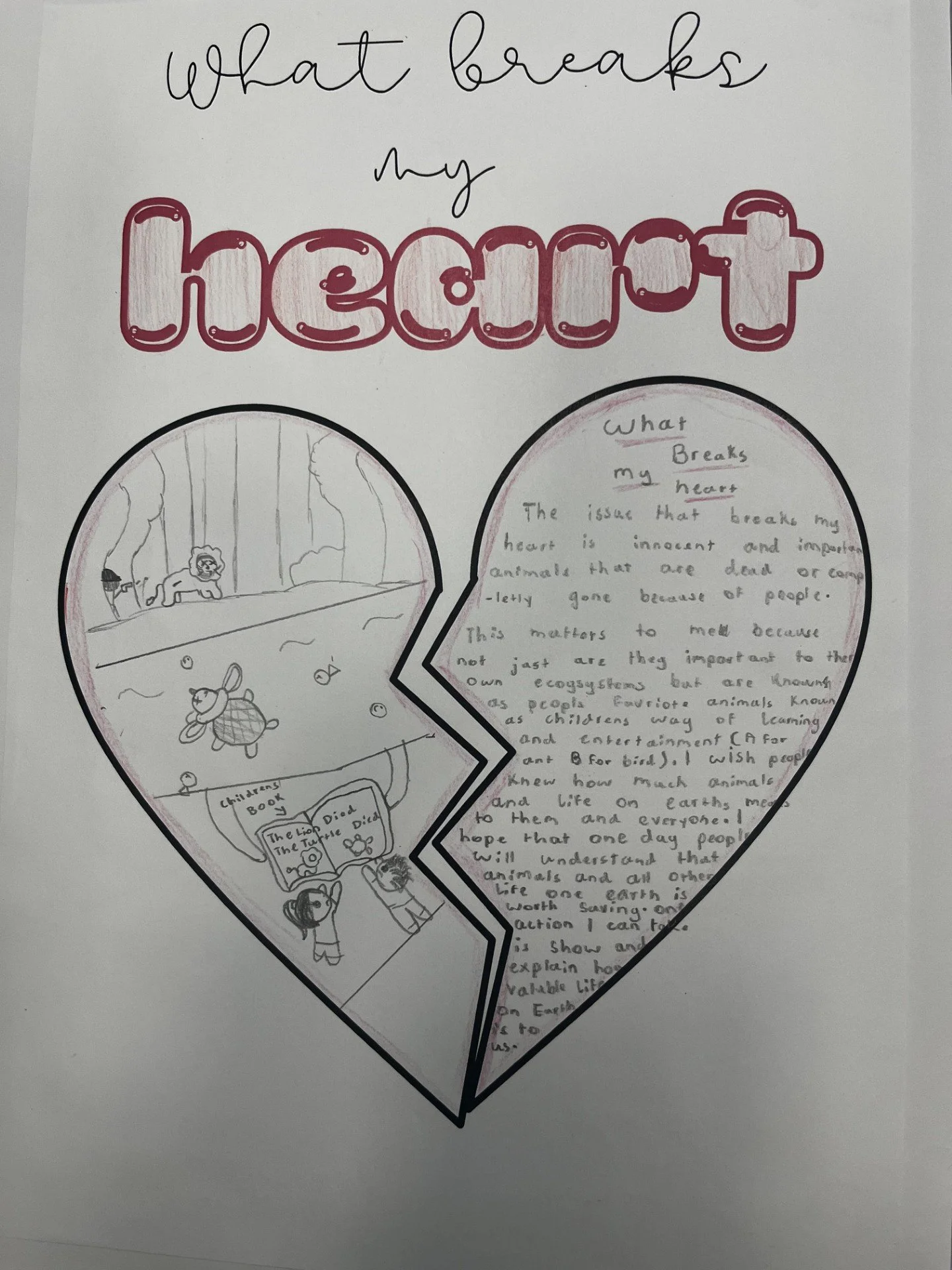
When students at Good News Lutheran College, Tarneit Campus, were offered the chance to personally identify a heartbreaking issue, they set the direction for a highly customized learning journey that would lead from empathy to impact.
The Year 6 Exhibition at Good News Lutheran College, Tarneit Campus, opened with a silent gallery walk of images showing global issues. Then came a prompt with an emotional edge. As Bec Moore, the school's PYP Coordinator, frames it: "What makes you really angry about the world or what makes you terribly sad about the world?"
Each student completed a What Breaks My Heart reflection, naming an issue and why it mattered. That care anchored everything that followed.
From a taste to full throttle
Bec, now in her third year as coordinator, met Inspire Citizens through Lutheran Education Victoria, NSW and Tasmania (LEVNT). Its Director of Learning Futures, Kim Powell, invited coordinators and curriculum leaders into the Empathy to Impact program, introduced by Inspire Citizens co-founder Aaron Moniz. Since then, Lottie Dowling has played an integral role in supporting and encouraging implementation.
Bringing it home proved harder than expected. "It was difficult to launch it really well when we had come back from these amazing, inspiring two days, but the rest of the team hadn't experienced that journey," Bec says. So they adopted a more restrained approach, folding pieces into existing units.
This year, the whole Year 6 team chose to "hit it full throttle" in the Exhibition, deploying a structured approach to support students from initial thoughts through research and action. [see the Inspire Citizens expression of this framework here]. One line of inquiry explored stewardship and the call to care for creation. Bec also wove in systems thinking from Compass Education, including the Sustainability Compass developed by Alan AtKisson.
Students kept returning to what broke their hearts in the hope this might inspire student led action. In the past, Bec says, "you try and tag on action at the end, and it never really takes."
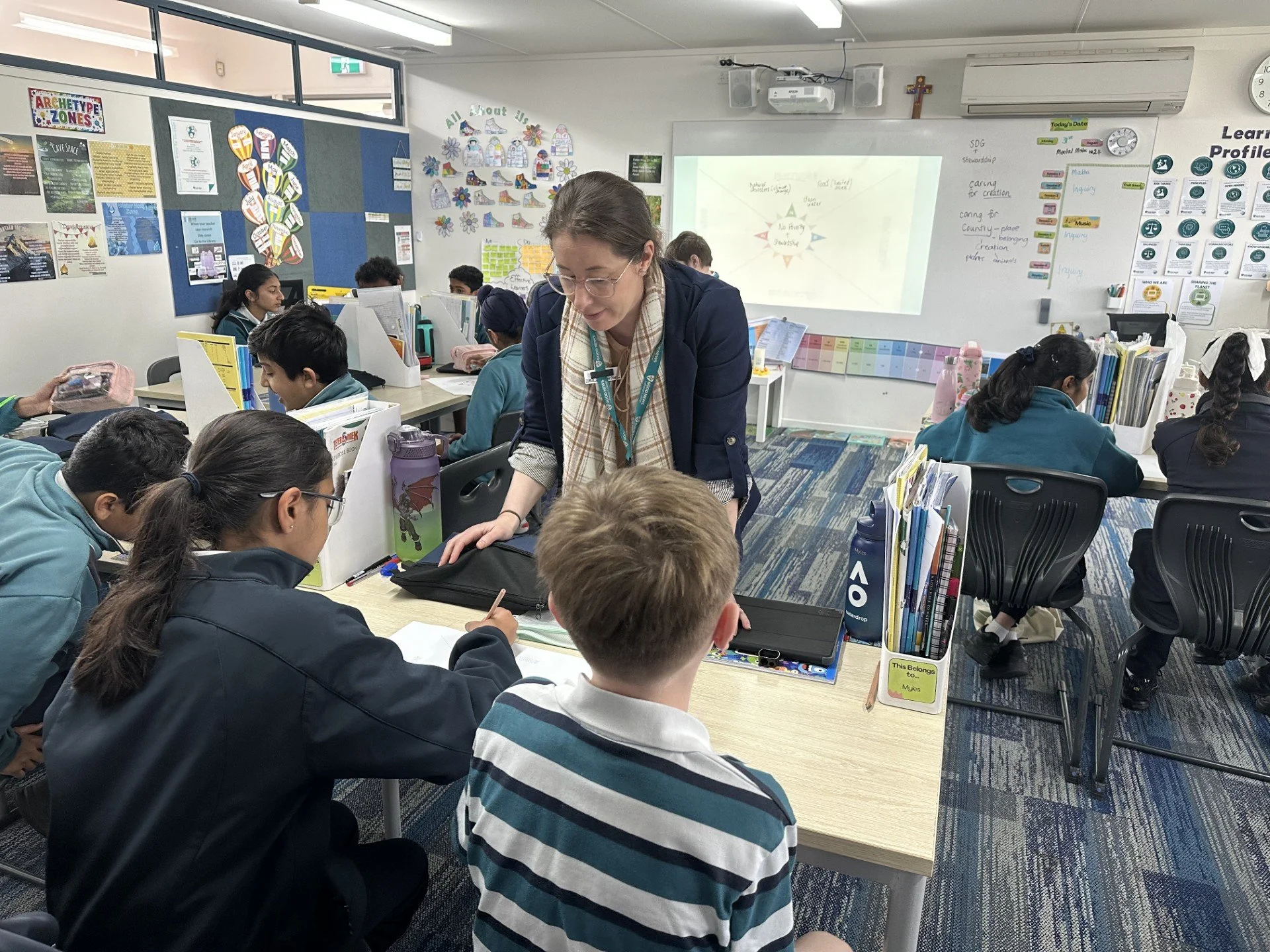
Agency is different than choice, explains Bec. "It's about knowing yourself as a learner and selecting behaviors and options that support who you are as a learner."
Agency, not just choice
The boldest decision was letting students pursue any Sustainable Development Goal, even one different from the one they first associated with their heartbreak observation. Over several sessions they used thinking routines and the Global Goals quiz Lottie had shared, then narrowed to a goal and a sub-issue of their own.
"What we really wanted to do was look at true agency rather than choice," Bec explains. "It's about knowing yourself as a learner and selecting behaviors and options that support who you are as a learner."
The first two weeks were not smooth. "It was a bit messy," she admits. "But the payoff was wonderful."
The school's assessment culture helped. Good News has moved away from traditional grading models, and this unit is reported on approaches to learning skills. At two information evenings, parents came to see goals that "far transcended the report card."
Every teacher a mentor
Every primary teacher at Good News mentors an Exhibition group, meeting weekly until the community evening. "It's not just the year six team that do exhibition, it's all of us," Bec says.
When mentors noticed gaps in Year 6 students' conceptual understanding, Grade 3, 4 and 5 teachers met to teach concepts more explicitly. She notes, “there's a ripple effect when we have programs like this."
Action that lasts
Students often think "the only way to take action is to make money or do some grand gesture," Bec says. The team wanted them to see they already have gifts to use now.
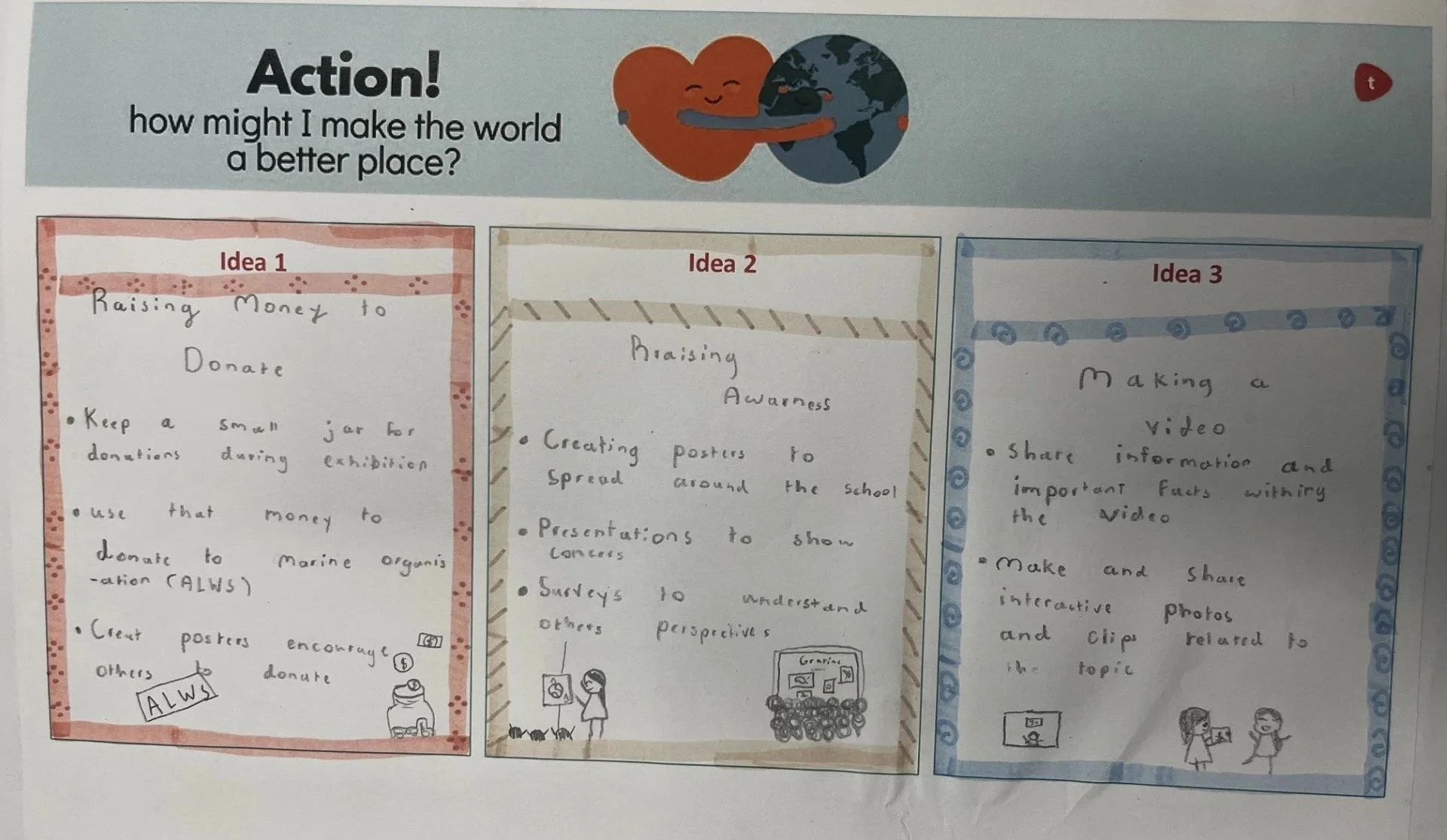
Reframing sustainable action with students is about changing mindset, explains Bec. Often it is about letting go of grand gestures that are focused solely on financial resources and engaging current talents and abilities.
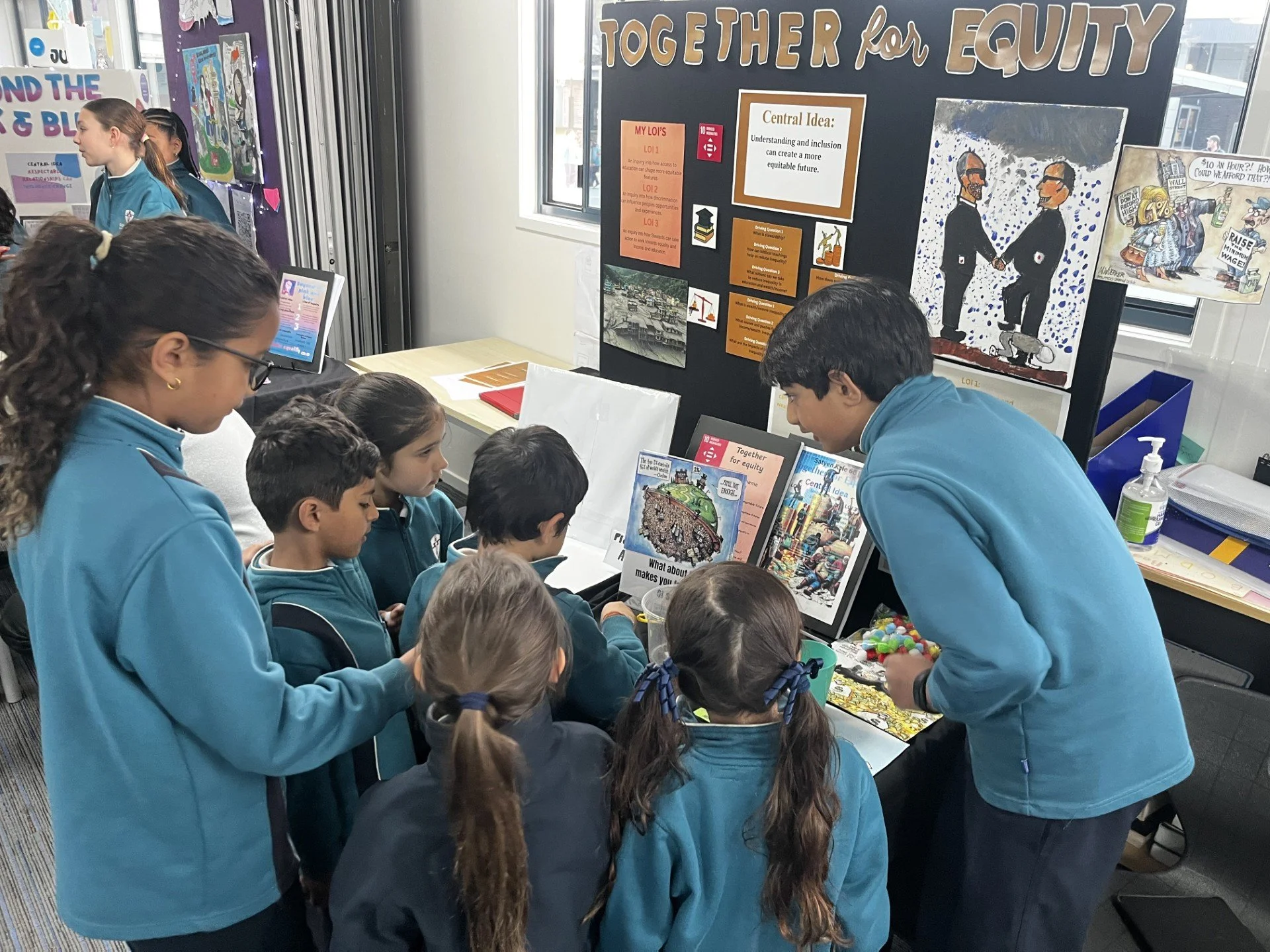
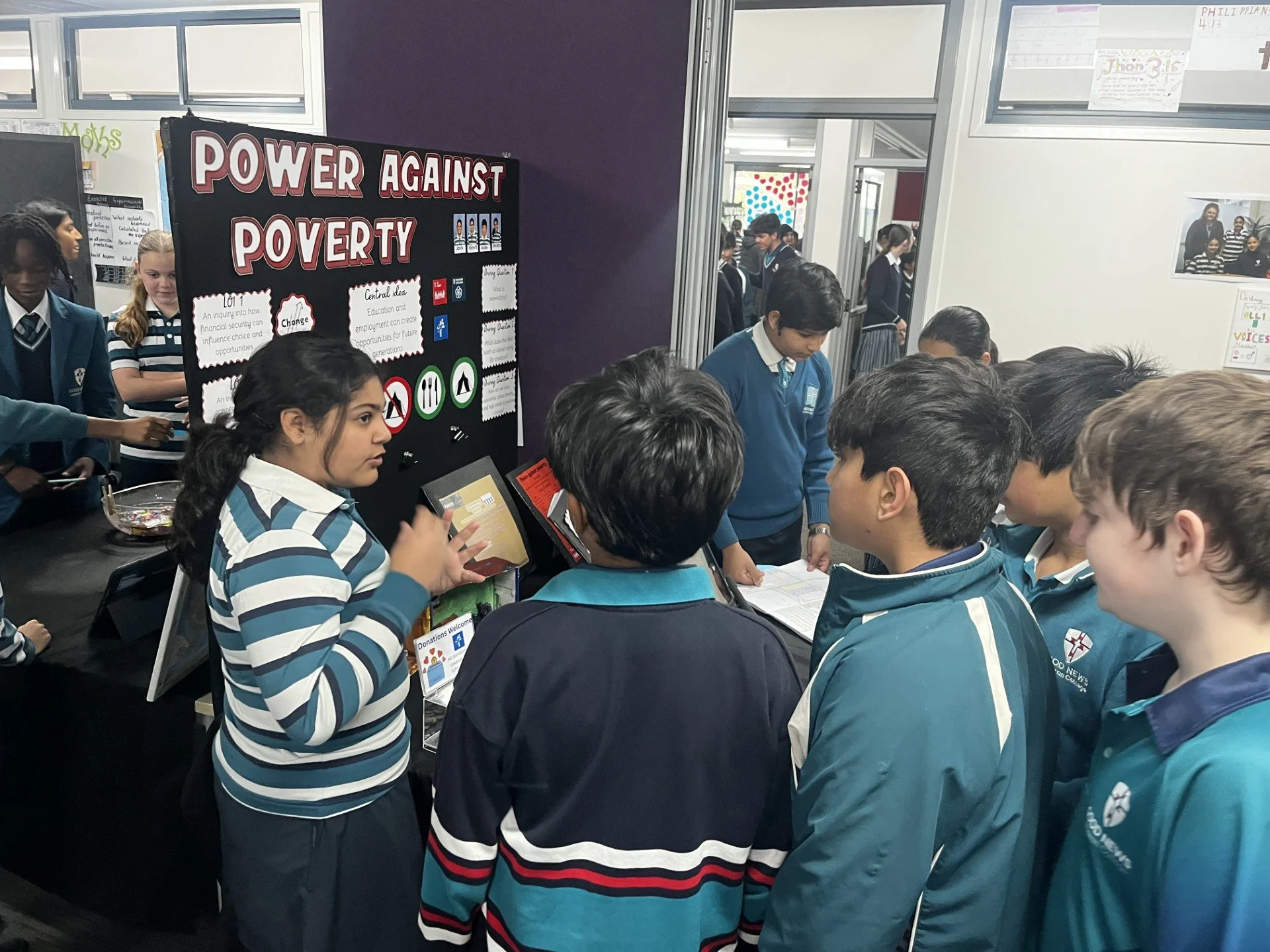
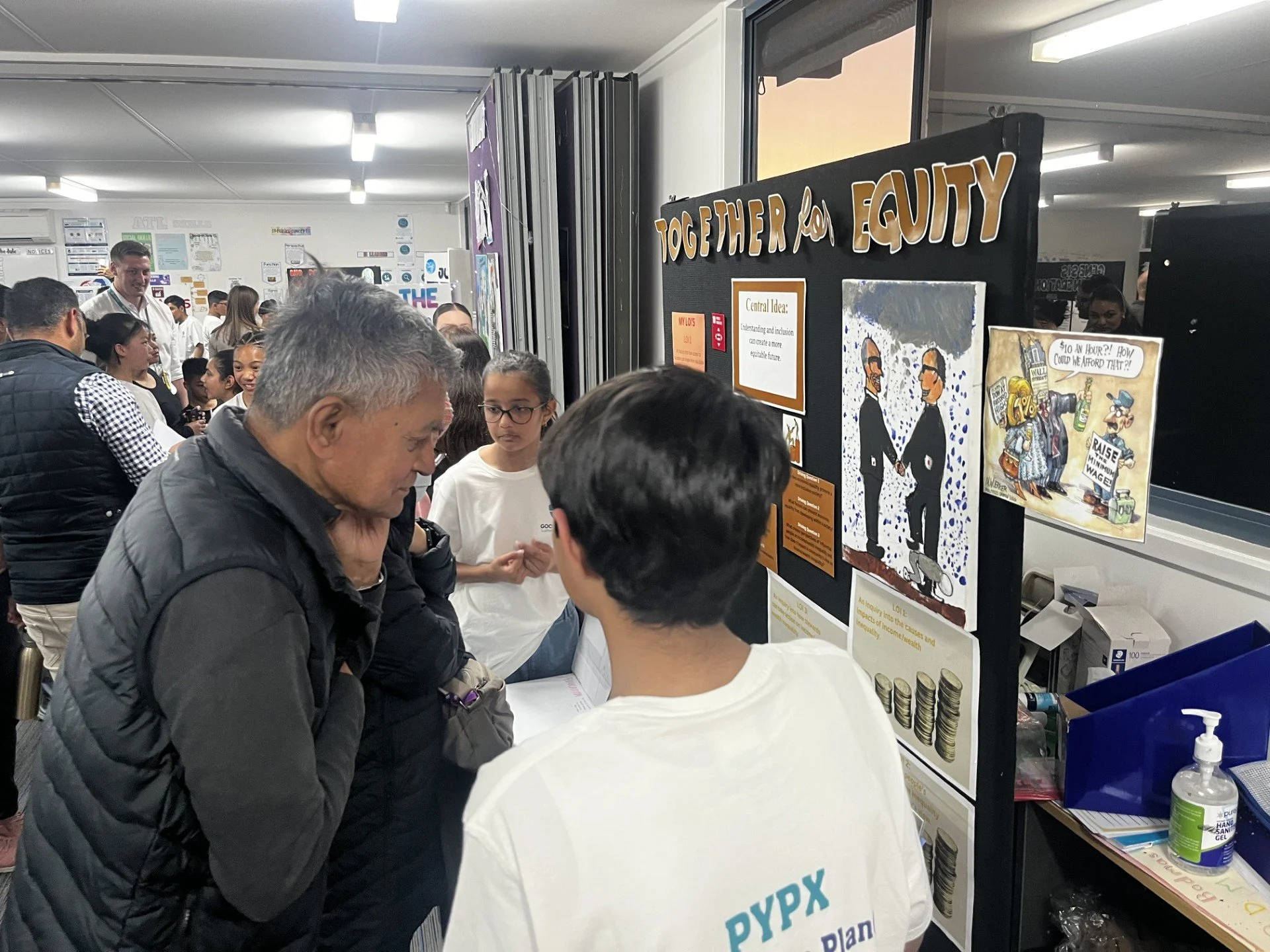
Action took many forms: booklets, a lunchtime well-being club, pledge artworks and a design that will become a school mural. A mini-inquiry into the Nepal floods showed students "there wasn't one SDG that didn't directly relate to the work of rebuilding a community after disaster," and after this many groups raised funds and awareness.
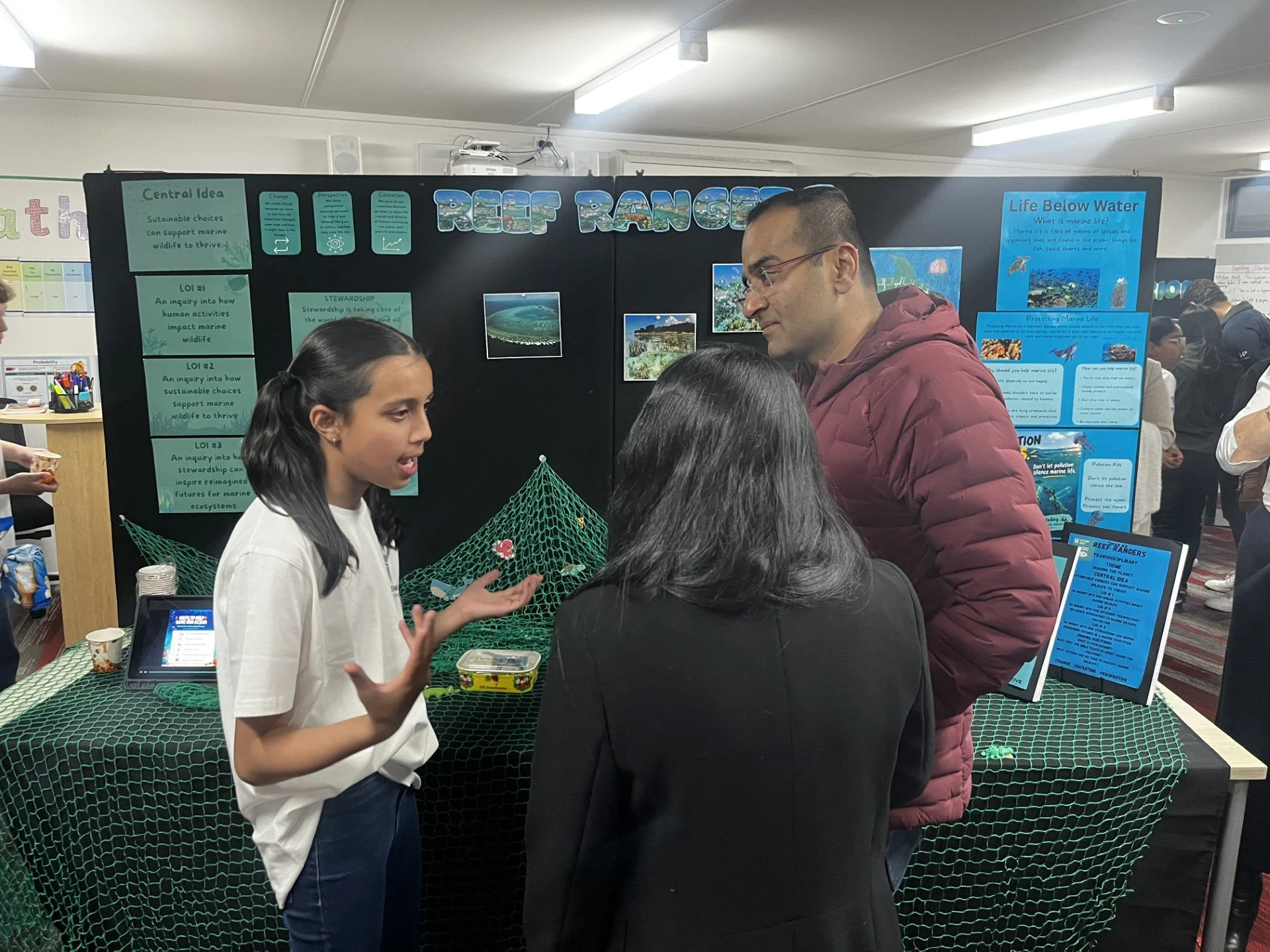
One group studying ocean plastics wrote to the college principal proposing Nude Food Fridays, encouraging lunches packed free of plastic wrapping. If approved, they will present it at assemblies and carry it forward as their legacy.
Bec also invited students to address the Exhibition audience. She expected two or three volunteers and received more than 14 responses, including two from students who had never spoken publicly. One student gave his speech in German, the language taught at the school. Another translated his poem into his mother tongue. "That moment brought whole body tingles because you could see family members connecting, nodding and smiling," Bec recalls.
What comes next
The team is weighing whether students should choose their own groups, and Bec hopes to build a human library of community experts. Through it all, she gives the credit to her team: "This is all because my teachers were absolutely amazing and worked together as a team. They shared that vision of empowering our students and then carried it through."
Ready to explore more incredible stories?
You’ll enjoy the Empathy to Impact Podcast,
hosted by Scott Jamieson